Faceless YouTube Channel: 5 Foundations to Set Before You Write a Single Script
There was a stretch of my career where I believed the whole game was consistency. Upload every week, keep the schedule, and the algorithm would eventually notice. I published dozens of videos on that belief and got almost nothing back. What finally changed my results was an uncomfortable realisation: YouTube does not reward effort. It rewards creators who understand how the system decides what to show.
If you are building a faceless YouTube channel aimed at viewers in the US, the UK, Germany or Japan, good content on its own is not enough. Good content that nobody is looking for is just an expensive hobby. You need a foundation underneath it, and that foundation is set long before you write your first script.
I have been making YouTube videos since 2017, most of that time on channels where nobody ever sees my face. Below are the five foundations I now set before a channel publishes anything — all of them things I wish someone had told me in year one.
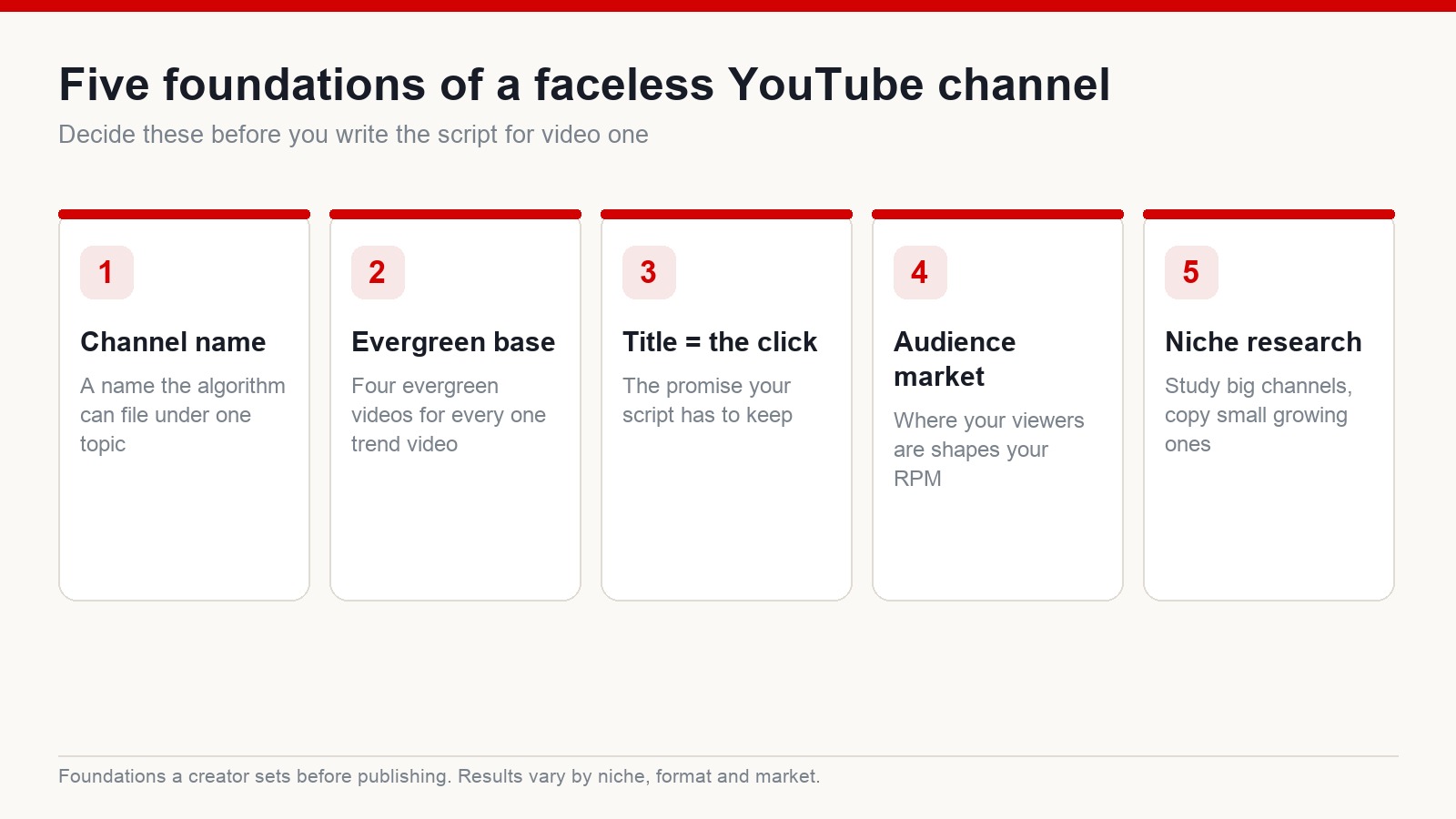
1. Name the channel so the algorithm knows what you are
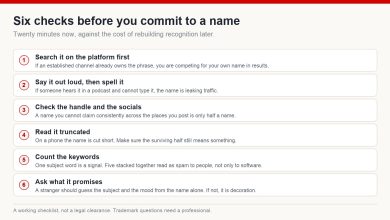
People spend a fortnight on a logo and thirty seconds on the channel name. That is backwards. The logo is decoration. The name is a signal: it is one of the first things telling YouTube, and every viewer scanning a search results page, what topic this channel belongs to.
Three naming patterns work reliably for faceless channels:
- A short brand name of two or three words that is easy to say and easy to type.
- A name built like the successful channels in your niche, but different enough that nobody confuses the two.
- A brand name paired with your core keyword: Brand Name (Keyword) or Brand Name – Keyword.
That last pattern is the one I reach for most on a new channel. Something like Quiet Frontier (Survival Stories) or Deep Dive Daily (Space). The keyword in the handle does not rank you on its own, but it keeps every video on the channel pointing at the same topic, and topical consistency is something the recommendation system does respond to.
A few things to avoid. Do not pick a name one letter away from an established channel — you will spend years being mistaken for someone else. Keep it short enough to remember after one viewing. And write the brand element the same way everywhere: same capitalisation, same spacing, on the channel, in the descriptions, in your end cards.
2. The majority rule: build an evergreen base, then add trends
The most common way I see new channels stall is trend chasing. A creator finds a spike, makes a video about it, gets a burst of views, then finds the next spike. Six months later the channel has forty videos, no identity, and a homepage that reads like a news feed. The algorithm has no idea who to recommend it to, because the channel never told it.
The alternative is what I call the majority rule. The majority of your library should be evergreen: videos that can still earn views in eighteen months. In practice that means:
- how-to and tutorial content
- explainers that answer a question people keep asking
- experience and lessons-learned pieces
- list formats and rankings
- breakdowns of how something actually works
Then you layer trend videos on top for the occasional spike. A ratio a lot of creators settle on, and the one I use:
Four evergreen videos for every one trend video.
The point is not to avoid what is current. It is that when YouTube looks at your channel as a whole, most of what it sees should have long-term value. Trend videos bring a wave of new viewers; the evergreen library is what those viewers watch next. Without it, the wave leaves as fast as it arrived.
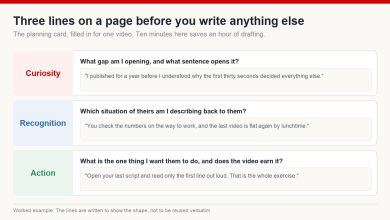
This also changes how you write. An evergreen script cannot lean on this week’s context. It has to open by naming a problem that will still be a problem next year, and it has to avoid dating itself in the first thirty seconds. That constraint makes for better YouTube script writing generally, because it forces you to write about the underlying need rather than the passing headline.
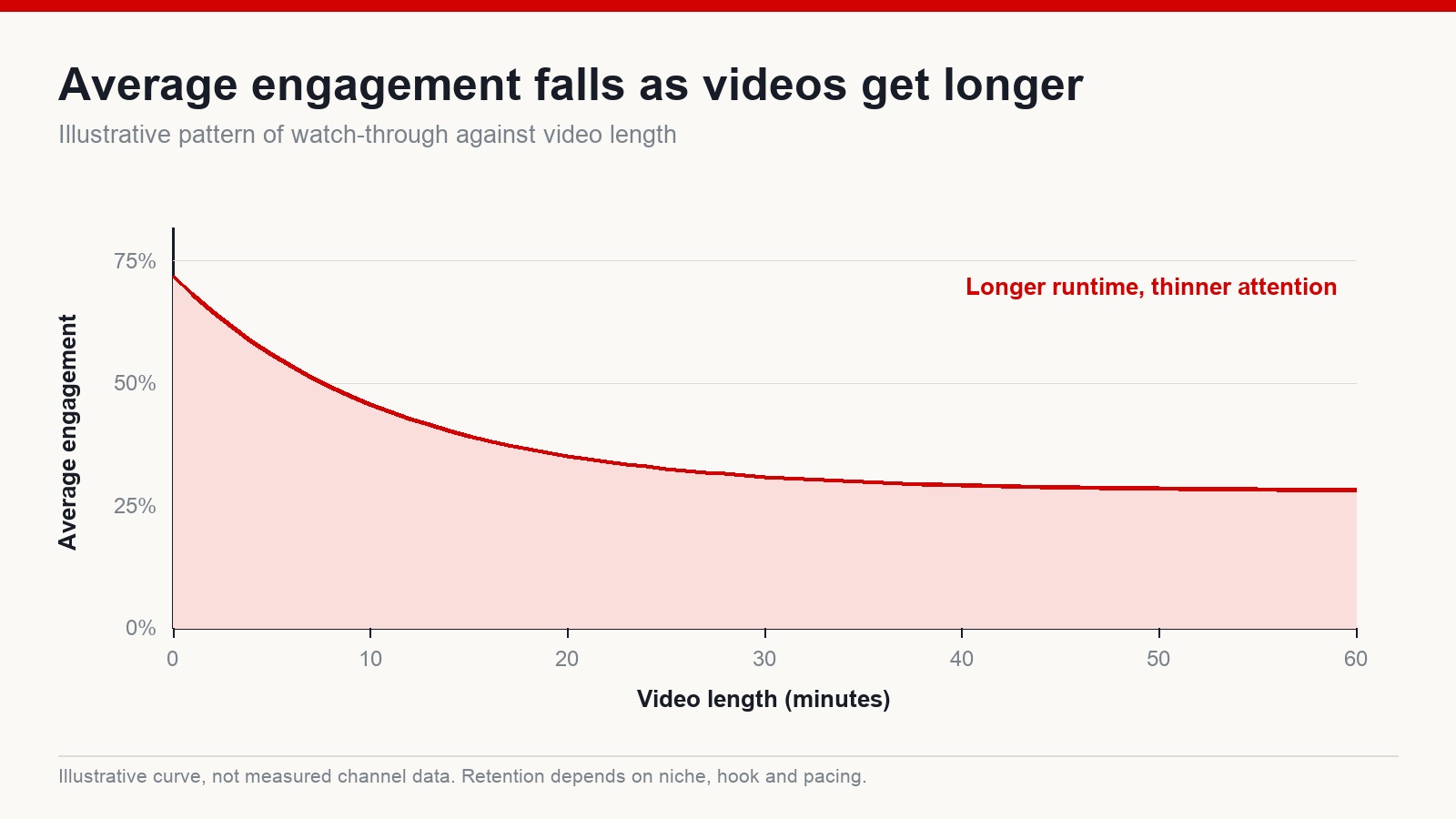
One caveat on runtime. Longer videos do not automatically earn more watch time: average engagement thins out as runtime grows, so a forty-minute video has to earn its length minute by minute. Write to the length the topic deserves, not to a number you saw on someone else’s channel.
3. A title is not decoration. It is the click
A good title does two jobs at once: it matches how people actually search, and it makes the click feel worth making. Most titles fail at one or the other.
The way I think about keywords is as a funnel with three levels.
Top of the funnel
The broad subject. Things like youtube automation, AI video, faceless channel. Enormous search volume, enormous competition, and almost impossible to rank for as a new channel. Useful for orientation, useless as a title.
Middle of the funnel
The specific thing inside that subject: how to make AI videos, writing a video script with AI, voiceover script for a faceless channel. This is where most of your video ideas live.
Bottom of the funnel
This is the layer that decides whether anyone clicks. Remember the order a viewer processes a suggested video in: thumbnail first, title second. So the words on the thumbnail must sit extremely close to what the viewer wants to know, and the title should complete that thought rather than repeat it. Thumbnail and title as one message is the biggest click-through lever a small channel controls.
And whatever the title promises, the script has to deliver — ideally early. A title that overpromises buys you the click and loses you the retention, and retention is the metric that decides whether the click ever happens again.
4. If you want a better RPM, think about which market you are serving
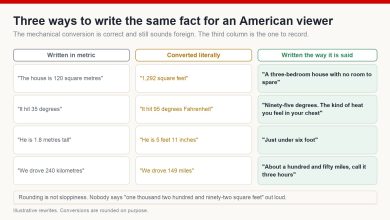
One of the main reasons creators build English-language faceless channels is RPM — the revenue earned per thousand monetised views. Advertisers pay very different rates depending on where the audience sits and what the video is about.
Two caveats before anyone starts doing arithmetic. The gap between markets is real but it is not a fixed number: it moves with country, topic, ad season and audience profile. And RPM only matters once there is watch time to monetise — chasing a high-RPM niche you cannot make good videos in is the slower road.
If you are aiming at an international audience, two habits are worth building.
Use numbers in titles, but only true ones
Numbers create a visual stopping point in a crowded feed: 3, 5, 7, 10, 15, 30, 50, 100. The number itself is not the magic. What matters is that the video contains what the number promises. A title that says seven and delivers four teaches viewers to distrust you, and the drop in average view duration will show up in your analytics within a day.
Mine competitor titles instead of copying them
Do not lift a title. Take ten strong videos in your niche and pull them apart: which phrases repeat, what sentence structure recurs, what core idea sits underneath, and above all what need the title is answering. Then write your own version in your own voice. That is how you learn from a market without becoming a lesser copy of it.
5. Research the right people before you pick a niche
Most people choose a topic by feel. The creators who grow fastest usually spend more time researching than filming, at least at the start. The process I use is simple and takes an afternoon.
Step one: learn from the big channels
Find the established channels in the space you are considering and study them properly:
- which videos carry the most views
- which topics they return to again and again
- what format they use — narration, compilation, screen recording, animation
- how they build titles
- what their thumbnails have in common
The big channels tell you what the ceiling looks like and what the audience already accepts.
Step two: cross-check against small channels that are growing
Then find the smaller channels — the ones with a fraction of the subscribers but videos outperforming their size right now. If both the giants and the newcomers are winning with the same content angle, that angle is working in the current algorithm, not just in the one from three years ago. That is the signal worth acting on.
Treat it as a signal, not a promise. Competition levels, execution quality and plain timing still decide the outcome. Research shortens the odds; it does not remove them.
What I would prioritise if I started a channel from zero tomorrow
In this order:
- Pick the niche, using the two-step research above.
- Name the channel so its positioning is obvious in three words.
- Build the evergreen base first — the videos that will still be working next year.
- Do the keyword research before writing the script, not after filming.
- Write thumbnail and title as one message, then make the script keep that promise.
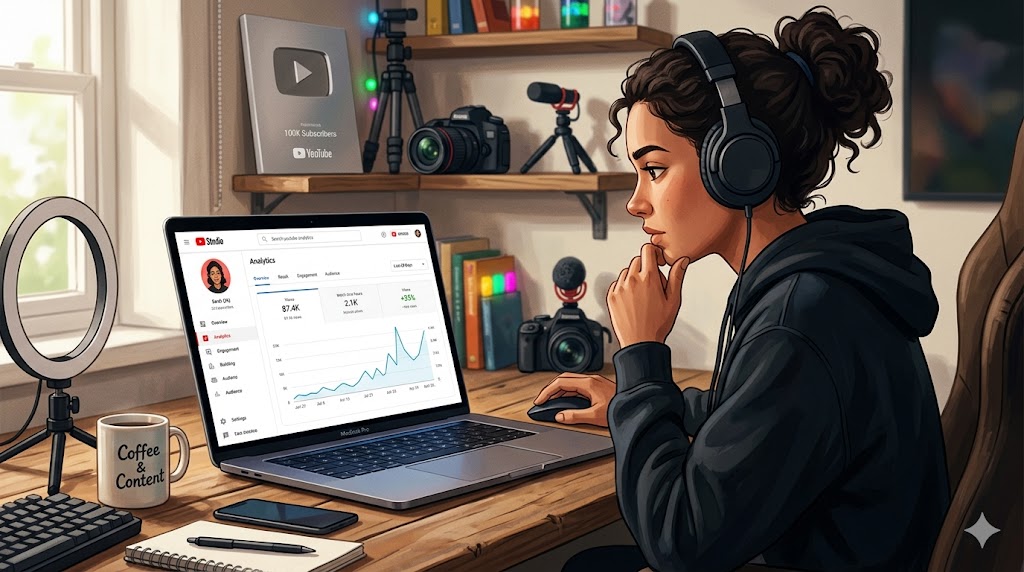
- Read the analytics after every upload and change one thing on the next video.
Making YouTube work is not a race to publish the most videos. It is a loop of small corrections. Each upload teaches you a little more about who is actually watching, and the creators who last are the ones who keep reading that feedback instead of guessing.
Frequently asked questions
Should I rename a channel that already has an audience?
You can, but think it through. If you rename, keep the topic and the visual identity consistent so returning viewers still recognise you. Changing the name and the content direction at the same time is the version that hurts.
Is it a bad idea to make only trend videos?
It is a fragile idea. Trend content can grow a channel quickly, but the views stop when the trend does. An evergreen library gives you a floor of steady views that keeps earning while you are working on the next thing.
Should I use AI to make YouTube videos?
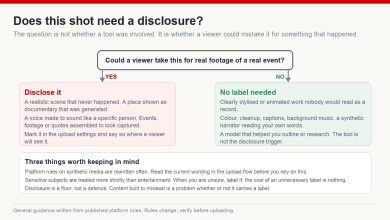
As a tool for drafting, editing and idea generation, yes — I use it daily. But you still have to add what a model cannot: your judgement and your point of view. You also remain responsible for staying inside YouTube’s policies on authenticity, disclosure and ownership.
Is a faceless channel for an international audience easier than a local one?
Not really. The audience is far bigger and the competition is sharper, because you are up against creators native to that language and culture. What you gain in market size, you pay back in research.
Where to start
If you want a channel that can still be growing in two years rather than one that lives off a single viral upload, start with the foundation: the right niche, keyword research before production, an evergreen base, and an honest reading of your data after every video.
That is still how I work on my own faceless channels — slowly, deliberately, and always from real numbers rather than a hunch. Results vary, and YouTube changes its policies and its recommendation behaviour regularly, so treat every rule here as something to test on your own channel rather than something to believe. If you want a guided path through the same process, that is what we build at mmoyoutube.com.