“What Should My Channel Be About?” – The Question That Cost Me Five Years
A message arrived close to midnight. “I want to build a channel. I want to earn something online. I just don’t know what to make it about, and I’m scared of picking wrong.”
I sat looking at that for a while, because it is my own handwriting from years earlier. Same paralysis, same fear. The only difference is that back then there was nobody I could send it to.
So let me be direct about it: “what should it be about” is not a small question you get past on the way to the real work. It is close to the whole game. Get it right and half the fight is already won. Get it wrong and you can work hard for three years, five years, and end up with nothing. I did not learn that from a book.
Five years of making things nobody was looking for
My first five years on YouTube were a failure of the most frustrating kind: not lazy, not careless, just pointed at nothing. I worked constantly. I bought equipment I could not afford. I travelled to film things. I made what I felt like making on any given week – this thing today, something unrelated tomorrow – and I was proud of a fair amount of it.
What I never once did in those five years was stop and ask the only question that mattered. Does anybody out there want this? Is anyone typing anything like it into a search bar? Would anyone pay for a solution in this area?
I had absorbed the idea that sufficient passion plus sufficient effort summons an audience. It does not. I made things I liked; the market was indifferent, because it had not asked for them. That indifference is not personal and it is not cruel. It just does not care how hard you worked.
The turn was not working harder. It was changing which question came first.
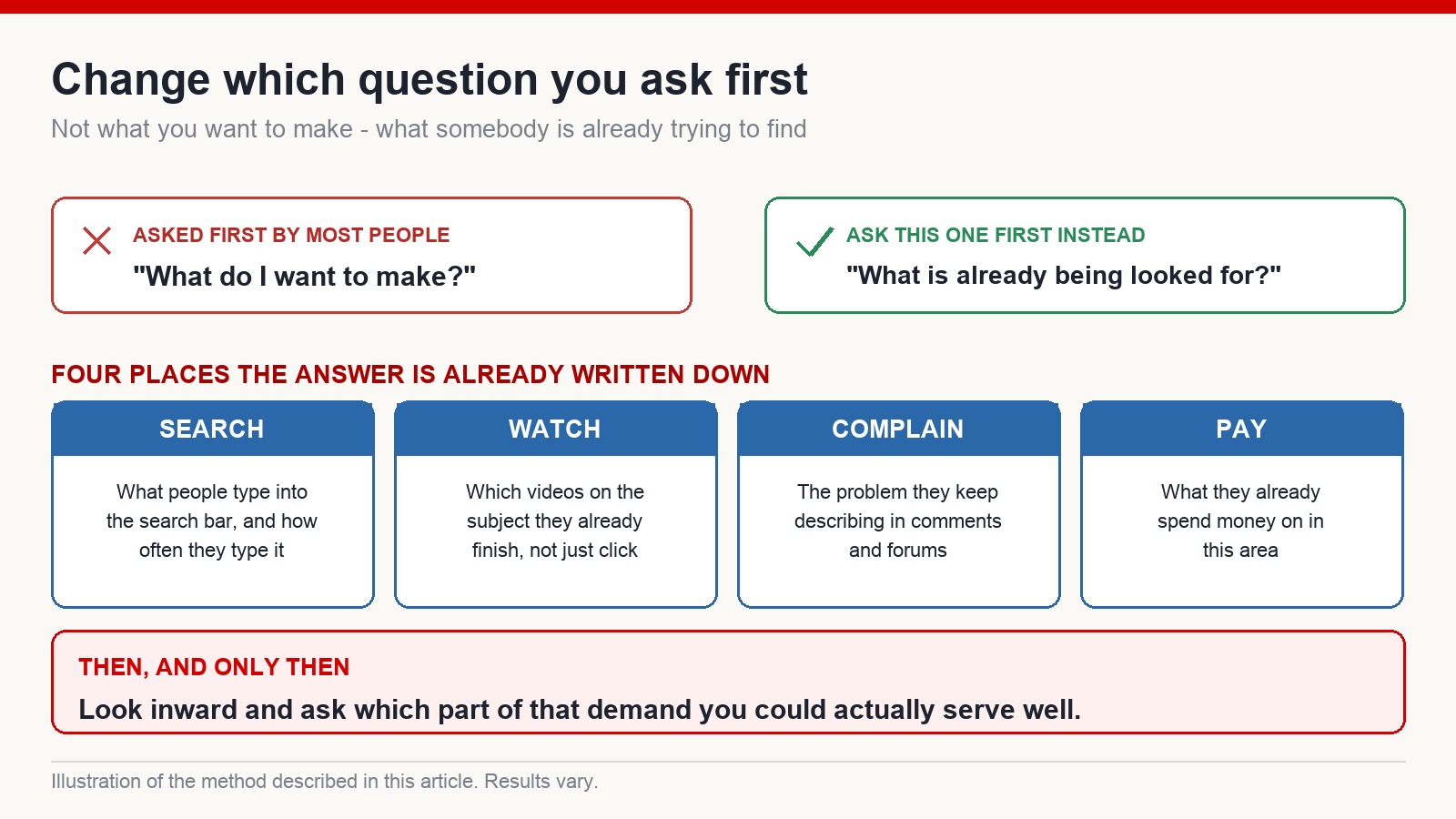
In 2021 I started over. This time I did not begin with “what do I enjoy”. I began with: what are people already looking for, already watching to the end, already complaining about, already spending money on? Then, and only then, I looked inward and asked which slice of that I could serve well.
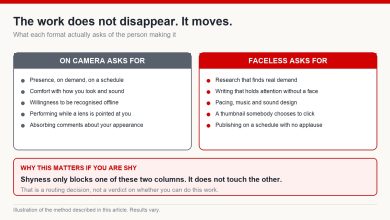
I also moved to faceless production and started using AI tooling, and people often assume that was the change. It was not. Tools are tools. The thing that actually moved was the order of those two questions.
Same person. Same working hours. Same skills. Different topic – and an entirely different result. That is the part I want you to sit with, because it is easy to read and hard to accept: your effort was probably never the problem.
The two-circle test
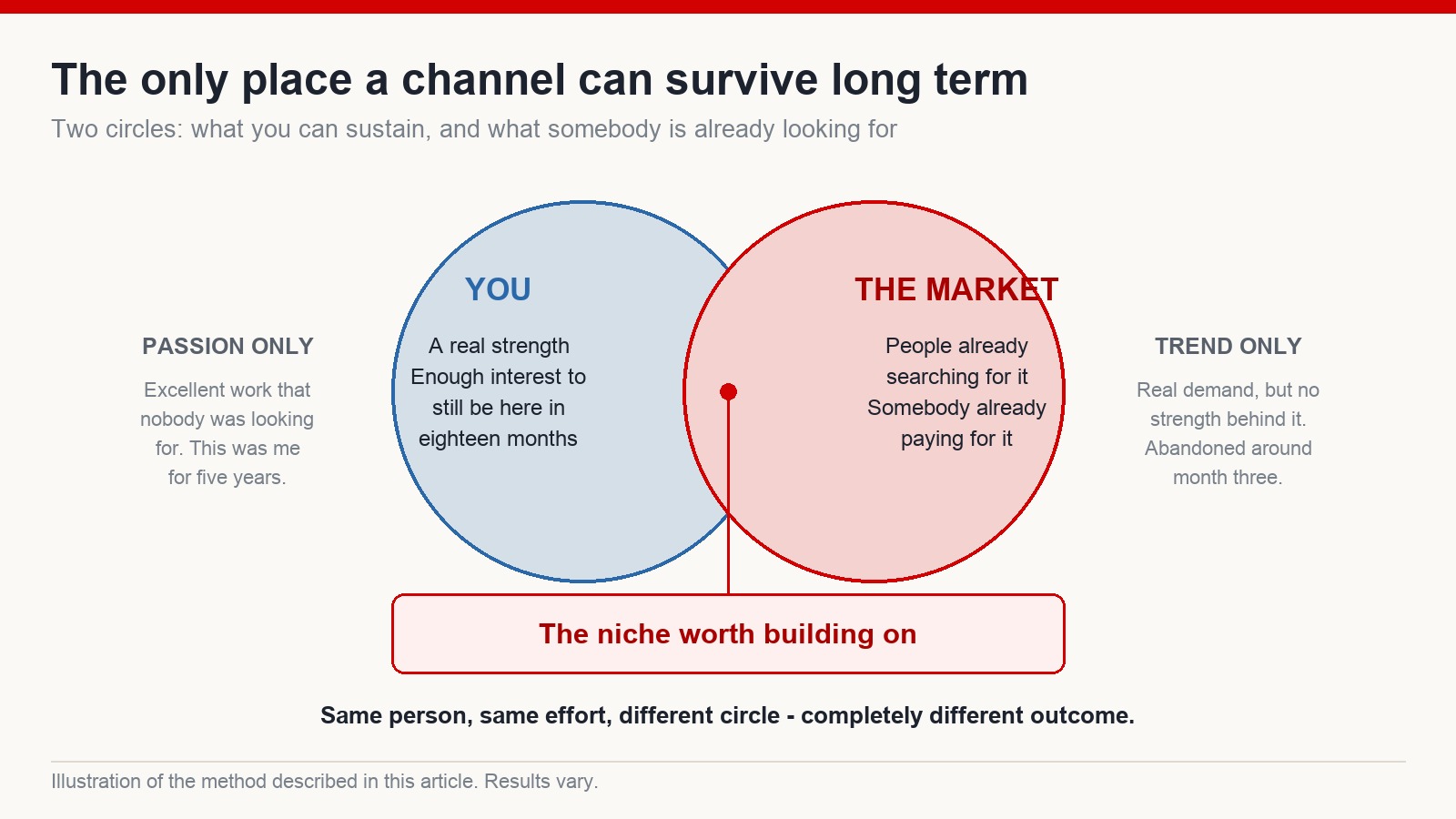
The way I put it to people I work with: a workable niche lives where two circles overlap.
The first circle is you. Something you have a genuine strength in, and enough real interest to still be producing in eighteen months without hating it. Not a passing enthusiasm – stamina.
The second circle is the market. Something a meaningful number of people are already looking for, and – this is the part people skip – something in an area where money already changes hands. Attention without any commercial gravity is a hobby with an audience.
Both circles, or it does not hold.
Two symmetrical ways to get this wrong
The first is the mistake I made: choose purely on passion and assume the world will come round to your taste. It will not. You end up producing genuinely good work for a room with nobody in it. Ask the market first – what people search for, what they finish watching, what they complain about, what they buy.
The second is the opposite, and it is just as common: chase whatever is spiking, with no strength or interest behind it. Trends end. When this one does, what is left? Nothing you can build on, because you never had a reason to be in that room. Content is a long game, and nobody sustains an act for years.
Both failures come from taking half the test.
Start where the demand is permanent
For anyone new, I suggest beginning inside a category where the demand does not expire – health, money and work, relationships, self-improvement. These are not clever choices. They are areas where human need renews itself every year, which is exactly the point: you are not betting on the topic still existing.
Pick a durable area first, then find your own particular angle inside it. That is a much better order than starting from a very narrow idea that interests almost nobody, or from a topic with no evident demand at all.
And understand what this does and does not buy you. Choosing well removes a specific category of failure – working hard on something nobody wanted. It is not, however, any assurance about views or revenue. Competition, execution, persistence and platform changes all still apply, and plenty of well-chosen niches go nowhere in the hands of someone who quits at video eleven.
If you are the one staring at the blank page
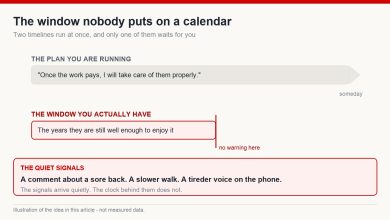
You are not being slow. You are standing in front of the single most consequential decision in the whole project, and treating it as consequential is correct. Give it real time. A week spent properly on this question is cheap next to five years spent on the wrong answer.
What I would not do is decide in one night on instinct. Choosing a niche is a piece of honesty about what you are actually good at, plus enough humility to check what people are actually asking for. Neither half is optional.
I am not promising anyone gets rich, because that is not how this works. I do believe in starting on the right road, since almost everything downstream is easier from there. If you want a structured English-language path through that decision and the build that follows it, that is what I run at mmoyoutube.com.
How long should choosing a niche take?
Days rather than months, and definitely not one evening. Long enough to check real demand – what is searched for, what similar channels publish, whether money moves in that area – and short enough that research does not become a way of avoiding the first upload. If a week has passed with no decision, the block is usually fear rather than missing information.
What if I like something but there is no obvious audience for it?
Then it is a hobby, and hobbies are allowed – just do not expect it to fund anything. The more useful move is to look for the point where your interest touches a question people already ask. There is almost always an adjacent angle with real demand that you would still enjoy making.
Is it safer to pick a niche with no competition?
Usually the opposite. An empty space is more often a sign that nobody wants the thing than a gap nobody noticed. Competition tells you demand exists; the work is then finding a narrower angle inside it rather than a topic with no rivals and no viewers.
Can I change niche later if I get it wrong?
Yes, and most people do at least once. It costs you time and whatever audience you built, so it is not free – but it is far better than spending years defending a choice you already know is wrong. Give a decision enough videos to produce a real signal, then judge it honestly.
Does passion matter at all, then?
It matters enormously, just not first. Passion is what keeps you producing in month nine when nothing has happened yet, which is when most channels quietly stop. What it cannot do is create demand that was never there. Use it as the durability test, not the selection test.
Disclaimer: this article shares personal experience and a decision framework. It is not a promise of income or results. Outcomes depend on many factors outside anyone’s control, and platform policies change.