Why AI Titles Sound Like AI, and the Brief That Fixes It
There was a stretch where I would spend the better part of two hours on a single title, and the video would still land flat. Then language models arrived and the two hours became two minutes. The titles got worse.
That was not the model’s fault. I was doing what nearly everyone does the first time: opening a chat window, typing “write ten YouTube titles for my video,” and pasting whichever one felt punchiest. What comes back from that prompt is grammatically clean, structurally plausible, and completely hollow — because the model was given nothing about the video.
I have been building YouTube channels since 2017, mostly faceless channels aimed at English-speaking audiences, and I do use an AI YouTube title generator in that work now. The difference is entirely in what goes in before anything comes out.
A Generator Returns the Average of What You Gave It
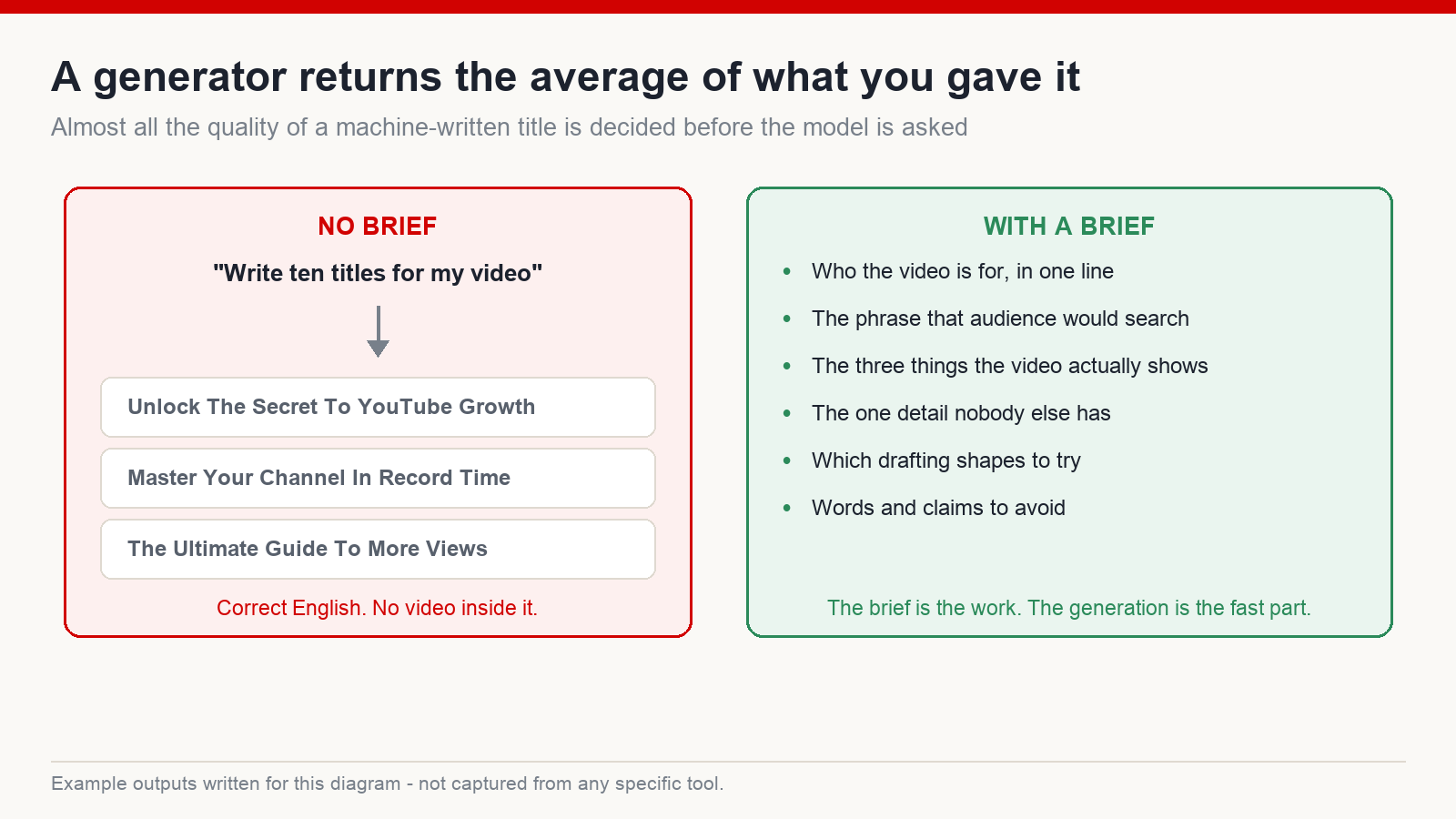
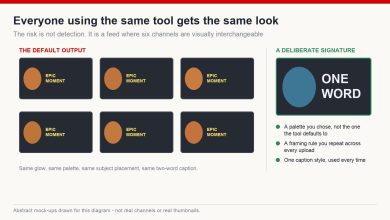
Ask with no context and the model has one option: reach for the most common shape of title in that subject area. That is what “Unlock The Secret To YouTube Growth” is. It is not a bad title so much as a statistical average of every title that has ever been written on the topic, which is exactly why it does not sound like it belongs to any particular video.
The mental model that helped me: the generator is not a writer. It is a very fast drafting hand. Everything that makes a title specific — the audience, the angle, the one detail nobody else has — has to come from you, or it will not be there at all.
The Research Step Is the Actual Work
Before I ask for a single title, I spend more time on inputs than the generation will ever take.
Start with what the audience is already searching. Pull the phrase your target viewers would genuinely type — the demand keyword — from a keyword tool, not from your own instincts about how people phrase things. Then look at two or three videos in the niche that are clearly working, and write down, in plain sentences, what each one is doing: who it speaks to, what it withholds, what angle it takes on a subject everyone else has covered.
That last part is worth being careful about. You are describing the mechanism, not collecting titles to imitate. A model handed three competitor titles will produce a fourth that sounds like an average of the three, which puts you right back where you started. A model handed a description of why those titles work can build something new against the same principle.
What to Put in the Brief
Mine is six lines and I paste a version of it every time:
- Who this video is for, in one sentence.
- The phrase that audience would search.
- The three things the video actually shows or claims.
- The one detail in it that nobody else has.
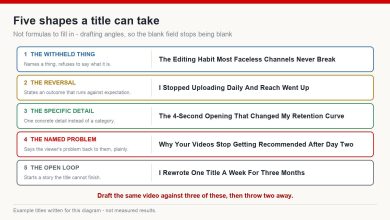
- Which drafting shapes to attempt — a withheld thing, a reversal, a named problem.
- What to avoid: specific words, and any claim the video cannot support.
That fourth line does most of the work. If you cannot fill it in, the honest conclusion is that the packaging is not the problem — the video does not yet have a reason to exist, and no title will fix that.
Ask for Ten, Expect to Use None Verbatim
Ten variations is a good number, not because the tenth will be the winner, but because getting to ten forces genuinely different attempts rather than ten rewordings of the first instinct.
What I am looking for in those ten is rarely a finished title. It is usually one phrase, one framing, one word I would not have reached for — and then I build the real title around it. Treating the output as raw material rather than as candidates is the single change that made the whole workflow useful.
The Tells That Give a Machine Title Away
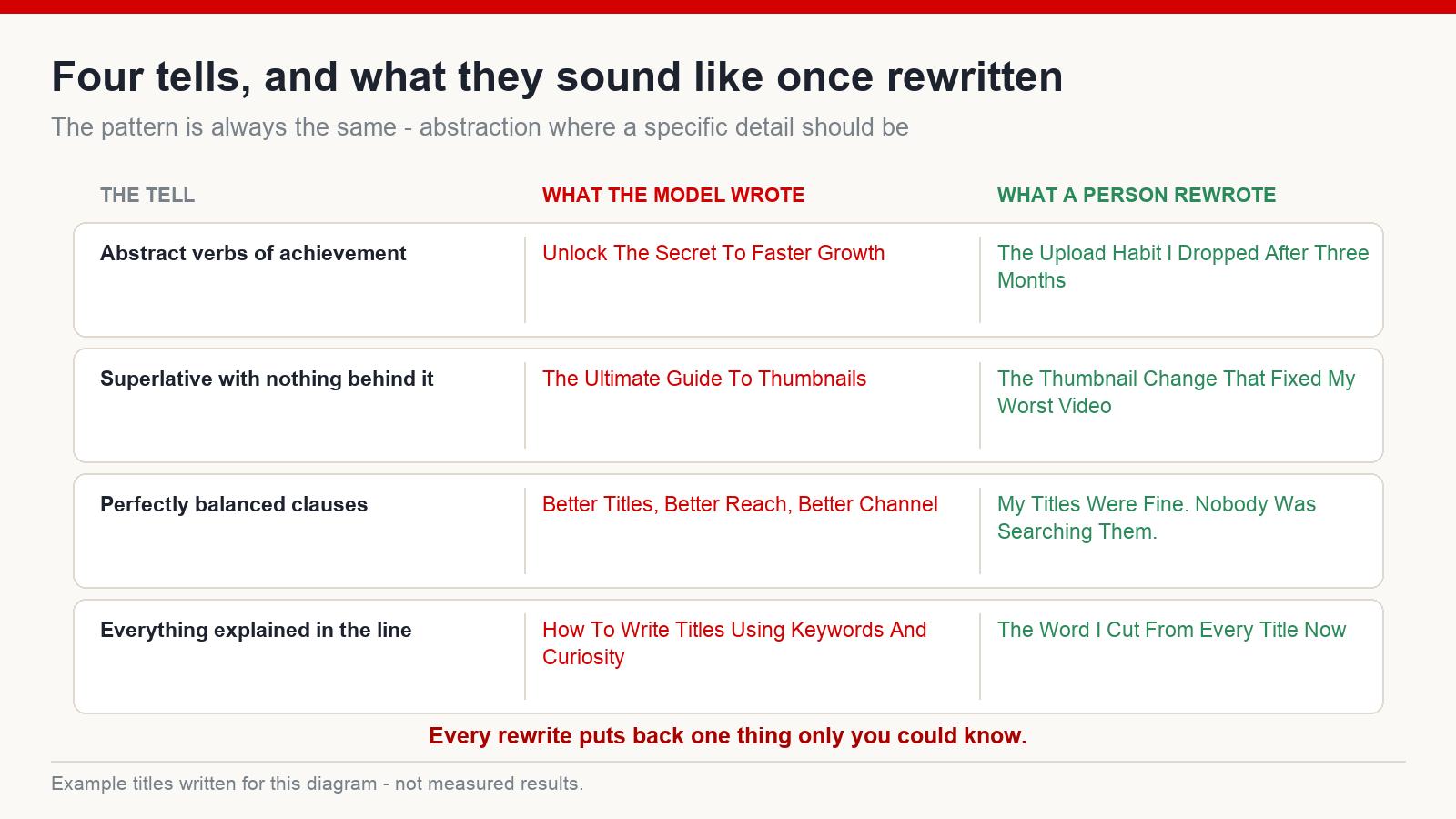
English-speaking viewers have become quick at spotting these, and the pattern behind all of them is the same: abstraction sitting where a concrete detail should be.
- Abstract verbs of achievement. Unlock, master, transform, elevate. They describe an outcome without naming anything that happened.
- Superlatives with nothing behind them. “The Ultimate Guide To Thumbnails” tells you the writer’s opinion of their own video and nothing else.
- Perfectly balanced clauses. “Better Titles, Better Reach, Better Channel.” Symmetry reads as composed rather than said.
- Everything explained inside the line. Models resolve tension by default. A title that answers its own question leaves the viewer no reason to open the video.
There is also a straightforward failure mode worth naming: capital letters everywhere, or the same subject phrase repeated twice in one line. Both are what unedited output looks like, and both read as automated to a human long before any system has an opinion.
The Rewrite Pass
Every rewrite I make does the same thing — it puts back one piece of information only I could have supplied.
“Unlock The Secret To Faster Growth” becomes “The Upload Habit I Dropped After Three Months.” Same subject. The second one contains a fact. It is specific enough that it could not have been generated about anyone else’s video, and specificity is the property that generated titles are structurally worst at.
Then read it aloud. If it sounds like a phrase you would say to someone, keep it. If it sounds like a heading, rewrite it once more.
The Line You Should Not Let a Model Cross
Models will happily write a title claiming an outcome, a figure or a transformation, because that is the shape of the successful titles they have seen. If you did not have that outcome, you cannot use that title — not for ethical reasons alone, but because an overpromising title raises the click rate and then collapses retention, and retention is what decides whether the video keeps being shown.
Put the prohibition in the brief explicitly. It is easier to prevent than to catch at the end when one of the ten looks tempting.
A Workflow That Holds Up
- Validate the demand phrase in a keyword tool.
- Describe two or three working videos in the niche — the mechanism, not the wording.
- Write the six-line brief, including what to avoid.
- Generate ten. Read them for raw material, not for candidates.
- Rewrite the two strongest, putting back a detail only you know.
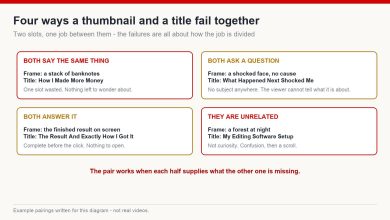
- Check the front half survives truncation, and that the title is not a word-for-word copy of the thumbnail.
- After publishing, compare against the median of your own last ten videos, and read the click rate alongside retention.
The Short Version
The generator is not where the quality comes from. It compresses an hour of drafting into a minute, which is genuinely valuable, and it produces the average of whatever context you handed it, which is why unbriefed titles sound the way they do. Do the research, write the brief, ask for ten, and rewrite the two you keep. Results vary by niche and format, and no title survives a video that does not deliver.
If you want the full workflow around research, packaging and the production system behind a faceless channel, that is what we work through at mmoyoutube.com.
FAQ
Can I publish a generated title unedited?
You can, and it will usually read as generic. The rewrite pass exists to put back the specific detail the model had no way of knowing.
Should I feed it competitor titles?
Feed it a description of why those titles work. Feeding the titles themselves tends to produce an average of them, which is the outcome you were trying to avoid.
How many should I ask for?
Around ten. Fewer and you get one instinct repeated; many more and you are reading noise.
Does using AI for titles affect how a video is treated?
A title is judged as text, not by how it was drafted. What matters is whether it accurately represents the video — that is the part with real consequences.