Niches That Travel: Formats That Reach an English-Speaking Audience Without Native English
People aiming a channel at an English-speaking audience usually diagnose their obstacle as language. They assume the fix is better English, better narration, better scripting.
Sometimes it is. More often the real problem is upstream: they picked a format that depends heavily on language and then tried to carry it across a gap it was never going to survive.
Some formats travel almost perfectly. Others lose most of their value the moment the viewer is not from where you are. Choosing between them is a niche decision, not a language one – and it is the decision that makes the difference for anyone building for a market they do not live in.
What does not travel
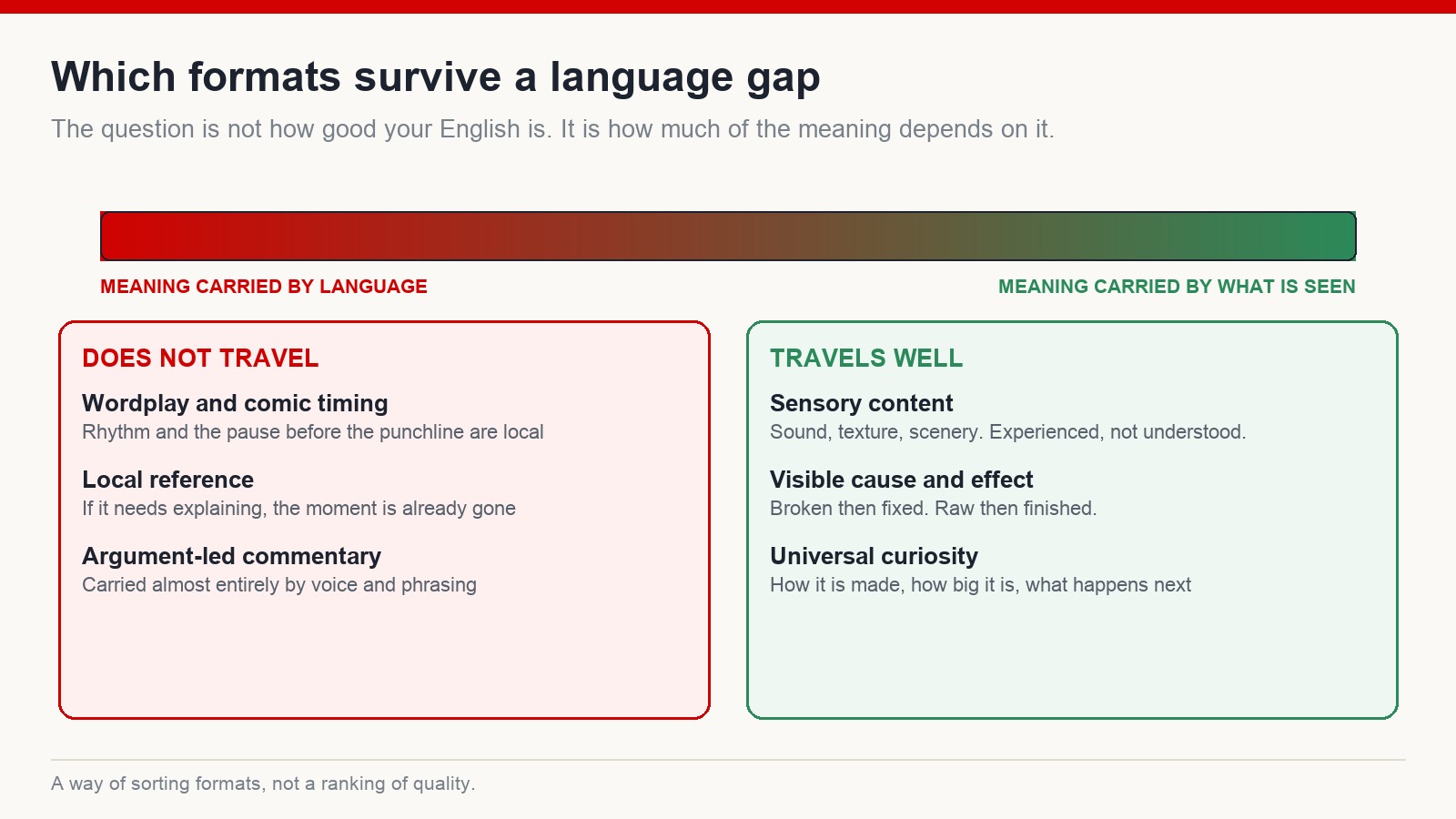
Three things reliably fail to cross a language and culture gap.
Wordplay and comic timing. Humour is the most local thing there is. Rhythm, understatement, the pause before the punchline – all of it is culturally specific, and none of it survives translation intact.
Local reference. Anything that assumes the viewer already knows a place, a public figure, a school system, a holiday or a shared grievance. If the reference needs explaining, the moment is gone before you finish explaining it.
Argument-led talking content. Commentary and opinion formats are carried almost entirely by voice – phrasing, confidence, the way a point lands. This is the hardest possible format to run in a second language, and it is the one beginners reach for most often.
What travels
The formats that cross borders share a common property: the meaning is in what the viewer sees, and language is a helpful layer rather than the load-bearing one.
Sensory content. Sound, texture, scenery, atmosphere. Nothing has to be understood, only experienced.
Visible cause and effect. Something is broken, then it is fixed. Something is raw, then it is finished. The viewer can follow the whole logic without a single word.
Universal curiosity. Questions people ask everywhere – how something is made, how large something really is, what happens next, whether they can guess before the reveal.
Four families that already travel
These are not recommendations to copy – they are examples of the shape you are looking for. Run your own research before committing to any of them.
Agriculture and harvest. Fruit picking, coconut harvesting, large agricultural machinery, modern farm operations. It attracts substantial attention from viewers in the United States and Europe, and almost none of it depends on narration.
Slow living and scenery. Village life, walking tours, rural landscapes, quiet routine. The value is atmosphere, and atmosphere has no accent.

Puzzle formats. Guess the country from the flag, name the film from emoji, spot the difference, identify the brand from a fragment of a logo. One of the most straightforward faceless formats to run: the rules are visual, the loop is short, and one format generates hundreds of episodes.
Well-known lives and behind the scenes. Public figures, institutions, the stories behind things people already recognise. This one needs care – it is the most language-dependent of the four, and accuracy about real people is not optional.
Checking the competition with one search filter
Once you have a candidate, there is a fast competition check most people never run.
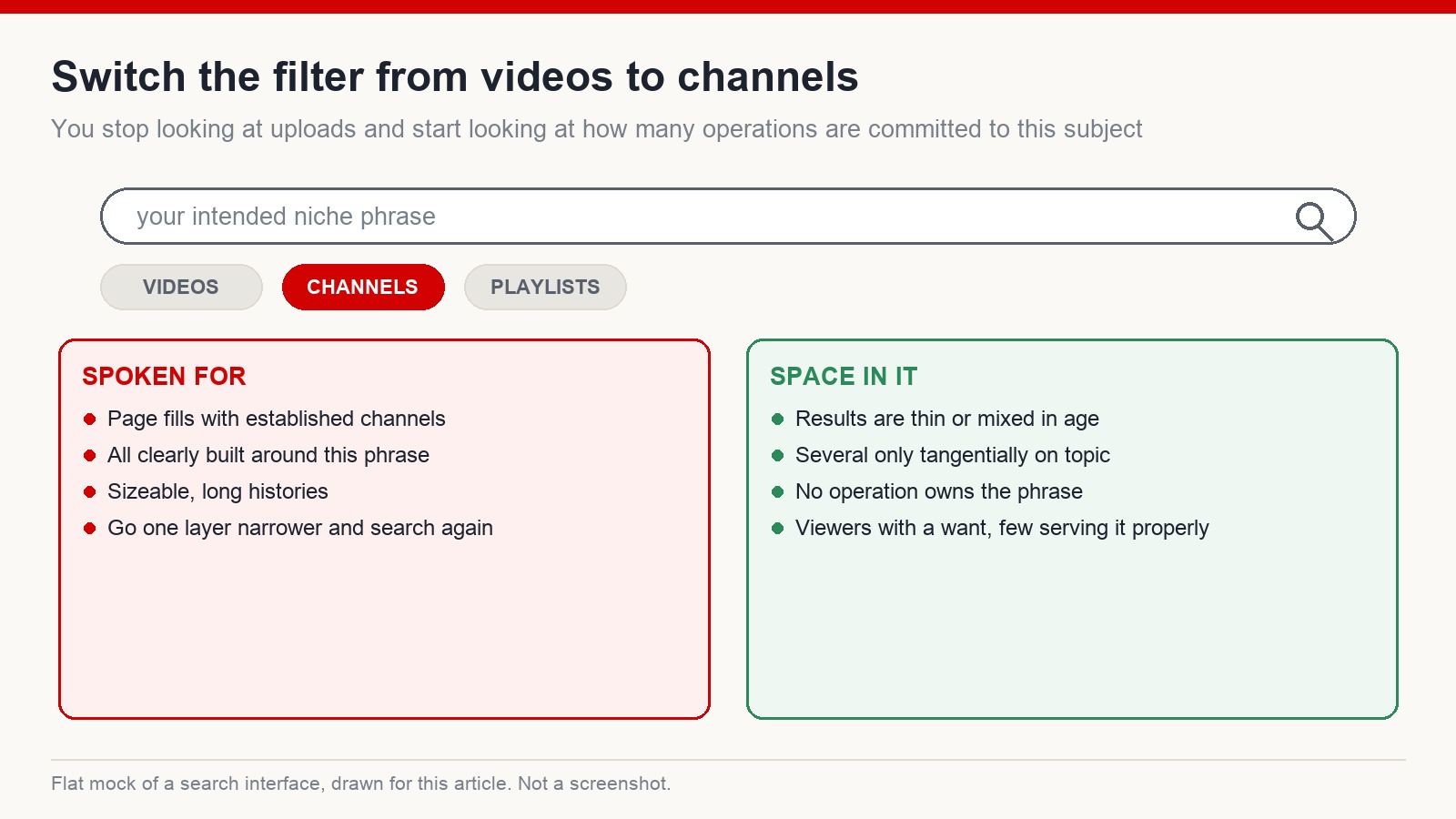
Search your intended niche phrase on YouTube, then switch the results filter from videos to channels. You are no longer looking at individual uploads – you are looking at how many operations are already committed to this exact subject.
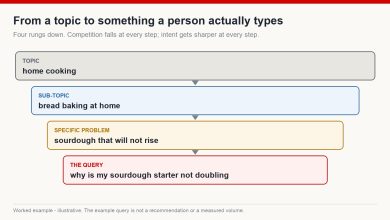
If the page fills with established channels of significant size, all clearly built around that phrase, the subject is spoken for. Go one layer narrower and run the search again. If the results are thin, mixed in age, or only tangentially about your phrase, there is space in it.
The aim is to find a gap: viewers with a clear want, and not many people serving it properly.
The cultural fit problem nobody warns you about
Picking a format that travels is necessary but not sufficient. There is a second layer, and it catches people out repeatedly.
Units of measurement. Seasons that run the opposite way. Holidays that mean nothing to your audience. Comparisons to prices, distances and institutions they have never encountered. Pacing conventions that feel normal to you and slow to them. A thumbnail aesthetic that reads as ordinary at home and strange abroad.
None of these individually kills a video. Together they create a persistent sense of not-quite-right, and viewers feel that long before they can name it. The fix is not translation. It is spending real time watching what your target audience already watches, until their conventions stop feeling foreign to you.
Mistakes that keep repeating
- Choosing a topic far too broad to establish anything in.
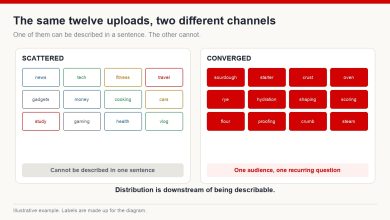
- Running several unrelated subjects on one channel, so nothing about it is legible.
- Skipping demand research entirely and building on assumption.
- Chasing each new trend, which resets the channel’s definition every few weeks.
- Abandoning the niche after a handful of uploads.
That last one is worth dwelling on. The first few videos on any channel mostly measure how new you are at the format. Give a topic a genuine body of work before you judge it, and change one variable at a time when you do – otherwise you learn nothing from either the failure or the success.
Where this leaves you
If you are building for an audience whose language is not your first, do not start by trying to sound like them. Start by choosing content that does not depend on sounding like them.
Pick a format where the meaning is visible, narrow it until you can name exactly who it is for, check the competition with the channels filter, and then spend enough time inside your target market’s viewing habits that its conventions become second nature.
The language gap is real. It is also, for the right format, mostly irrelevant.
Frequently asked questions
Do I need fluent English to build for an English-speaking audience?
Not for every format. Visual and low-narration content depends far less on language than commentary or comedy does. If you do use narration, having it reviewed by a native speaker is worth more than trying to eliminate an accent.
Which format is easiest to start with?
Puzzle and process formats tend to be the most approachable, because the rules are visual and one idea produces many episodes. Easy to start is not the same as easy to stand out in, so still check what already exists.
Can a faceless channel skip niche selection?
No. Faceless describes how you produce, not what you are about. With no presenter to hold attention, topic and packaging carry even more of the weight.
How long before I judge a niche?
Give it a real body of work rather than a handful of uploads, and keep the format consistent while you do. Judging a topic on your first few attempts mostly measures your learning curve.
If you want the full process for building toward an English-speaking audience, it is laid out at mmoyoutube.com.