What Bought Engagement Does To Your Own Data, And How To Recover From It
Most writing about bought views ends at the threat. Your metrics can be removed, the video can come down, and a channel that keeps doing it can be terminated. All true, all worth knowing, and all easy to discount if you know somebody who has been doing it for a year and is still publishing.
So this piece is about the other cost – the one that arrives whether or not anybody ever notices. Padded traffic does not just put your channel at risk. It takes away the only instrument you have for telling good videos from bad ones, and it keeps taking it away for months after you stop.
I have been making YouTube videos since 2017 and I have sat with several people going through exactly this. The technical part of the recovery is short. The patience part is not.
What the numbers are for
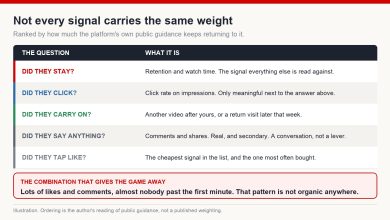
A channel is a series of experiments. You pick a topic, package it a particular way, structure it a particular way, and the audience tells you whether any of that was right. The reports in your studio are how they tell you. That is their entire purpose – not to be impressive, but to be readable.
The moment part of your traffic was arranged rather than interested, every one of those reports starts describing a mixture of two populations, and there is no way to separate them afterwards.
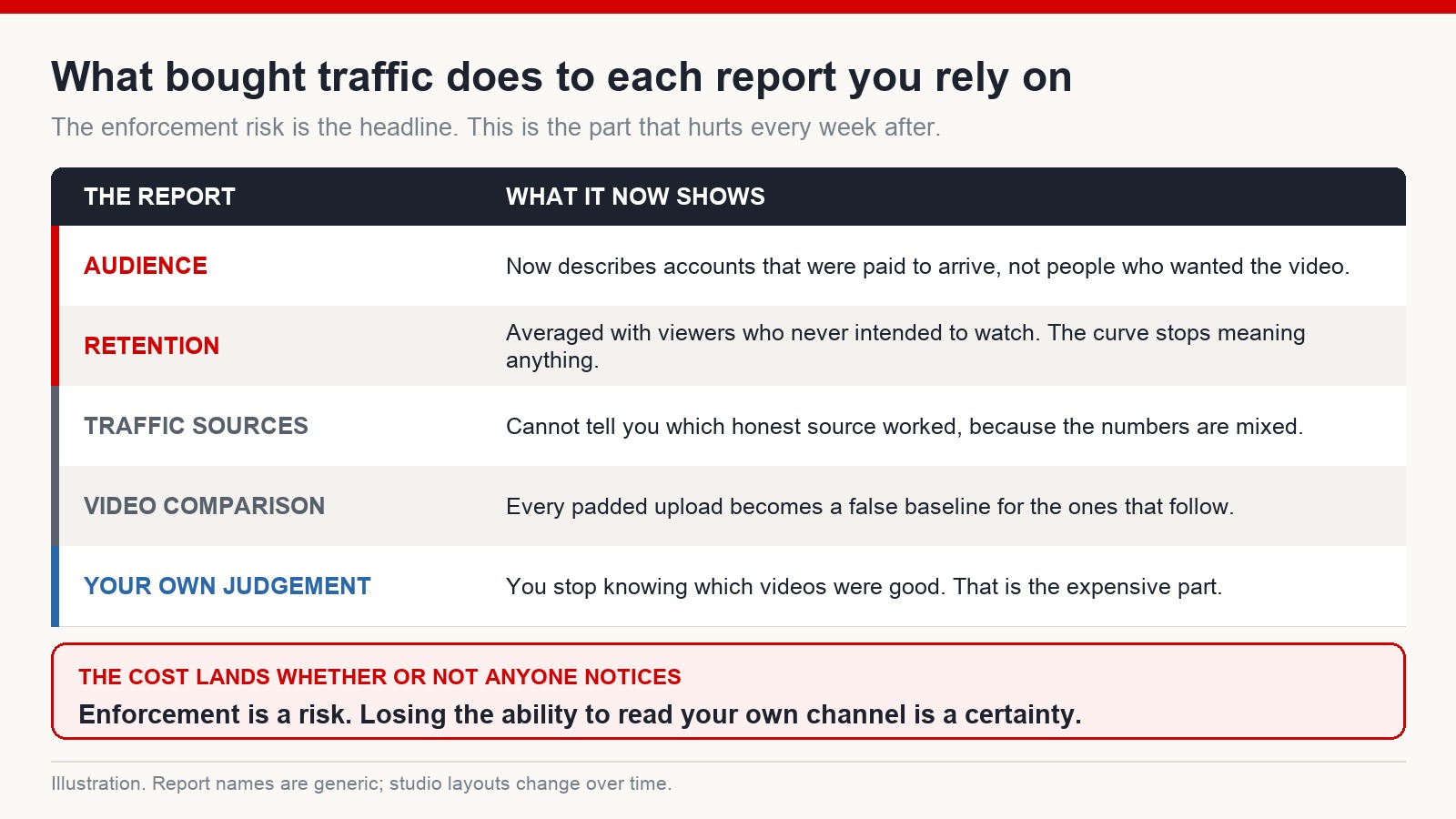
The audience report now describes accounts that were paid or persuaded to arrive. Whatever it says about who watches you, you cannot act on it, because the people it describes were not choosing you.
Retention averages viewers who wanted the video with viewers who were performing the act of watching. A curve built from that mixture cannot tell you where your video actually loses people, which is the single most useful thing retention normally does.
Traffic sources stop being able to answer the one question you want: which honest way of reaching people was worth repeating. The numbers are mixed, and the mixing is not visible.
Video comparison is where the damage compounds. Every padded upload becomes part of the history that later uploads are judged against. You end up comparing real videos to inflated ones and concluding, wrongly, that your honest work is getting worse.
Your own judgement is the last casualty and the expensive one. After enough of this you genuinely do not know which of your videos were good. That is not a reporting problem you can fix with a spreadsheet.
Why the traffic being “high quality” does not help
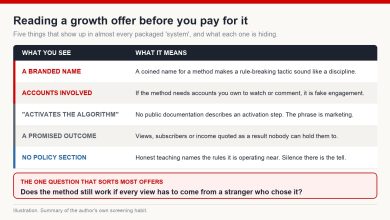
The more careful versions of this – accounts with plausible histories, watching a realistic proportion, commenting in their own words, arriving through search rather than a pasted link – are sold on the basis that they look like real viewers.
That is the problem, not the solution. Traffic that looks real but is not real is precisely the traffic that corrupts a dataset, because you cannot filter it out later. Obvious bot traffic at least announces itself. Careful traffic mixes in permanently.
And on the policy side, care changes nothing. YouTube’s spam and deceptive practices rules describe engagement created by the person who benefits from it, whatever it looks like. The age of the accounts, the isolation of the browser profiles, the naturalness of the behaviour – none of that touches the question the rule actually asks, which is where the interest came from.
Getting back to numbers you can trust
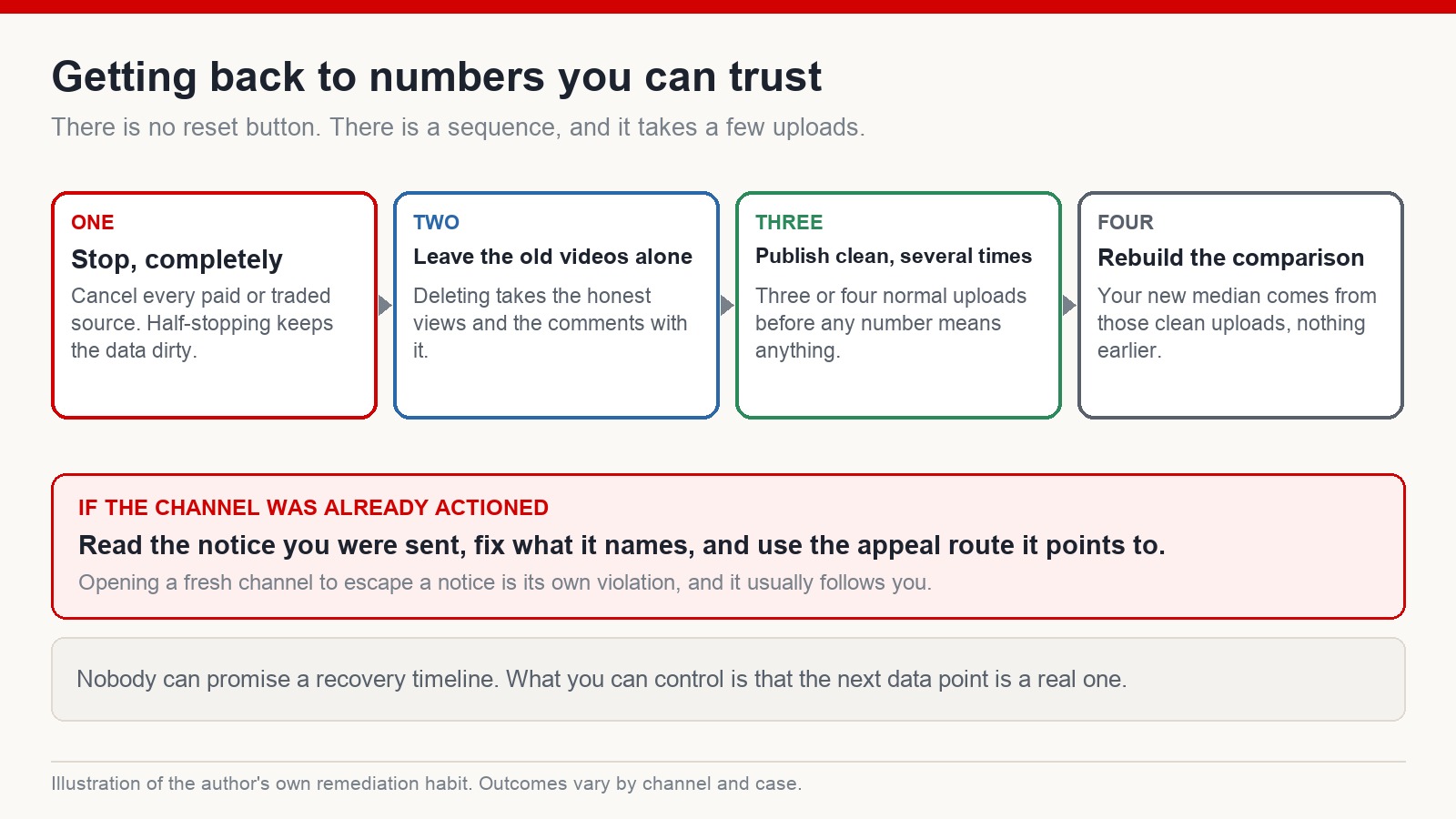
Stop completely, not gradually. Cancel every paid source, leave every exchange group, stop using every account you control to interact with your own videos. Half-stopping keeps the data dirty and stretches the recovery out indefinitely. There is no tapering strategy here; there is a date after which the numbers mean something.
Leave the old videos where they are. The instinct to delete everything the fake traffic touched is strong and almost always wrong. Deleting removes the genuine views and the real comments along with the rest, it takes down whatever search presence those videos had, and it does not clean anything, because the history is not stored in the video. Let them sit.
Publish clean, several times. Three or four ordinary uploads with nothing added. This is the part people find hardest, because the first clean video usually looks terrible next to the padded ones and it feels like proof that stopping was a mistake. It is not. It is the first honest measurement you have taken.
Rebuild the comparison from those uploads only. Your new baseline is the median of the clean videos. Anything from before is not a target and not a benchmark; it is a record of a mixture. This is worth writing down somewhere, because the old numbers stay visible in your studio and they are tempting to compare against for a long time.
What recovery does not mean
It does not mean the channel bounces back to the padded numbers once it is clean. Those numbers described something that was not happening. The honest ones are lower and they are yours.
It also does not come with a timeline. Anyone who tells you how many weeks it takes is guessing, because it depends on how much traffic there was, how long it ran, how many videos it touched and what the channel’s real audience looked like underneath. What you can control is that the next data point is a real one.
If the channel has already received a notice or a strike, that is a different situation and it has its own route. Read what the notice names, fix that specific thing, and use the appeal process it points you to. Do not open a fresh channel to escape it – circumventing enforcement is itself a violation, and it tends to follow the person rather than the channel.
What to do with the impulse underneath
Nobody buys engagement because they enjoy buying engagement. They do it because a video went out and nothing happened, and doing something felt better than waiting.
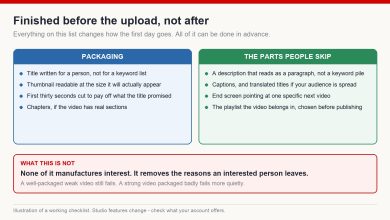
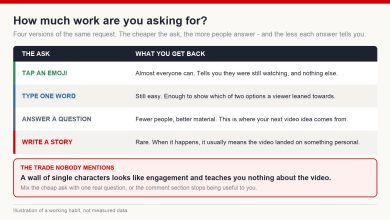
That impulse is worth redirecting rather than suppressing. The version of it that helps: send the video to a mailing list of people who asked to hear from you. Post it where you have genuinely been a participant, not a visitor with a link. Cut a short clip that earns its own click. Point your own back catalogue at it through end screens and playlists. Write the pinned comment before you publish so publishing day has something to do that is not refreshing the view counter.
All of that brings people who would have chosen the video anyway. It is slower, it produces smaller numbers, and it leaves your instruments intact.
Will the fake views be removed from my videos?
Invalid traffic can be discounted or removed, sometimes long after it arrived, which is one reason a padded view count is unreliable even as a vanity number.
Should I delete the videos that got bought traffic?
Usually not. Deleting takes the honest views and comments too, and it does not clean your history. Stop the traffic and let those videos settle.
How long until my analytics are trustworthy again?
Long enough that the answer is measured in uploads rather than days. Three or four clean publications before any comparison means much, and longer if the padded traffic ran for months.
Does starting a new channel fix it?
Not if the reason for starting one is to escape enforcement. And if the reason is simply to get clean data, understand that you are also giving up whatever real audience the old channel had.
What if only a few videos were affected?
Then your recovery is shorter, but the principle is the same: exclude those videos from your baseline and build the comparison out of clean uploads.
The short version
The risk of enforcement is real and it is not the main argument. The main argument is that manufactured traffic makes your own channel unreadable, and it keeps doing so long after the money stops. Stop completely, leave the old videos alone, publish several clean uploads, and rebuild your comparison from those. Slow honest numbers you can act on beat impressive numbers that describe nobody.
If you want the rest of the process for building a faceless channel aimed at an English-speaking audience, that is what we work through at mmoyoutube.com.