YouTube Title Formulas: How to Layer Curiosity Over Keywords Without Losing Either
You spend two days on a video. You love it. The title sounds punchy in your head. You publish, refresh the analytics, and nothing happens — almost nobody clicks. Or the opposite: you nail the keyword, the title is textbook SEO, and the click-through rate still sits at two percent.
I have been building YouTube channels since 2017, and most of that time has gone into faceless channels aimed at audiences in the US, the UK, Germany and Japan. Over nine years the same bottleneck keeps showing up in the channels I audit, and it almost always traces back to one decision made too early: picking a side.
Either the creator commits fully to search titles, or they commit fully to curiosity. Both extremes cost you. Search-only titles get found but do not get clicked. Curiosity-only titles get clicked but leave the channel with no stable floor. The channels that keep growing past the first lucky video do not choose. They stack both into a single line. That is the YouTube title formula I want to walk through here.
What a Curiosity Title Actually Is
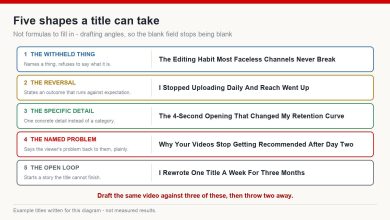
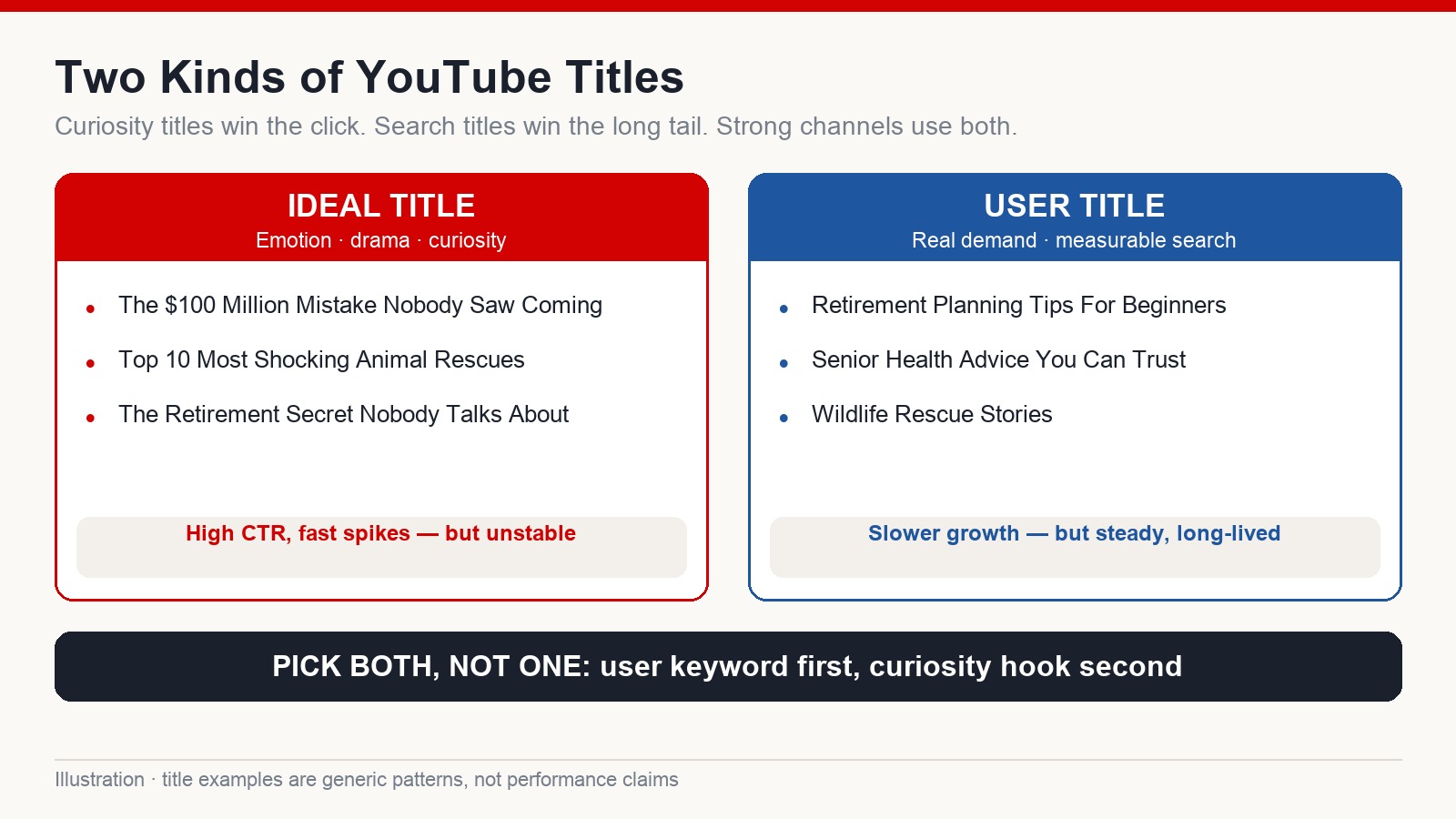
A curiosity title — I call it the ideal title, because it is the version of the video as you imagine it at its most dramatic — is engineered for emotion. It exists to stop a thumb mid-scroll. The ingredients are predictable once you start looking for them:
- A charged word that raises the stakes
- A strong feeling: shock, regret, relief, disbelief
- A sense of drama or conflict
- A large number
- An outcome the viewer cannot guess
In practice they look like this:
- The $100 Million Mistake Nobody Saw Coming
- Top 10 Most Shocking Animal Rescues
- The Retirement Secret Nobody Talks About
These titles tend to pull a healthy click-through rate. Catch the right wave and the video can move fast. That is exactly why beginners fall in love with them and write nothing else for six months.
What a Search Title Actually Is
The other kind — the user title — reflects what the audience genuinely types into the search bar. You can measure it. Any keyword tool will show you volume, competition and trend for phrases like:
- Retirement Planning Tips For Beginners
- Senior Health Advice You Can Trust
- Wildlife Rescue Stories
- Daily Motivation For Seniors
Growth from this side is slower and far less exciting to watch. But it compounds. A video answering a real, repeated question keeps collecting views months after publication, because the demand behind it does not expire. If you have never sat down and validated the search demand in your niche, do that before you touch title craft at all — layering an emotional hook onto a keyword nobody searches for just makes a well-dressed video that still goes nowhere.
The Two Ways Creators Get This Wrong
Failure one: pure SEO
The title is technically correct and completely flat. Retirement Planning For Seniors. Right keyword, right audience, zero reason to click today rather than tomorrow. The video shows up in search and gets skipped in the feed.
Failure two: pure curiosity
This Changed Everything Forever. It might get clicked. But YouTube has almost nothing to work with — no topic signal, no audience signal — and neither does the viewer, who cannot tell whether the video is about a divorce, a stock market crash or a dog. Recommendation systems reward clarity about who the video serves. A title like that withholds it.
The Formula: Two Layers in One Line
A strong title is not a compromise between the two. It is both, stacked.
Layer 1 — the user keyword
The words that describe actual demand. This is the part that tells the algorithm who to show the video to.
Layer 2 — the curiosity element
The number, the tension, the unfinished thought. This is the part that gives a human a reason to click now.
Take a flat title like Retirement Health Tips and rebuild it: 7 Retirement Health Tips Most Seniors Learn Too Late.
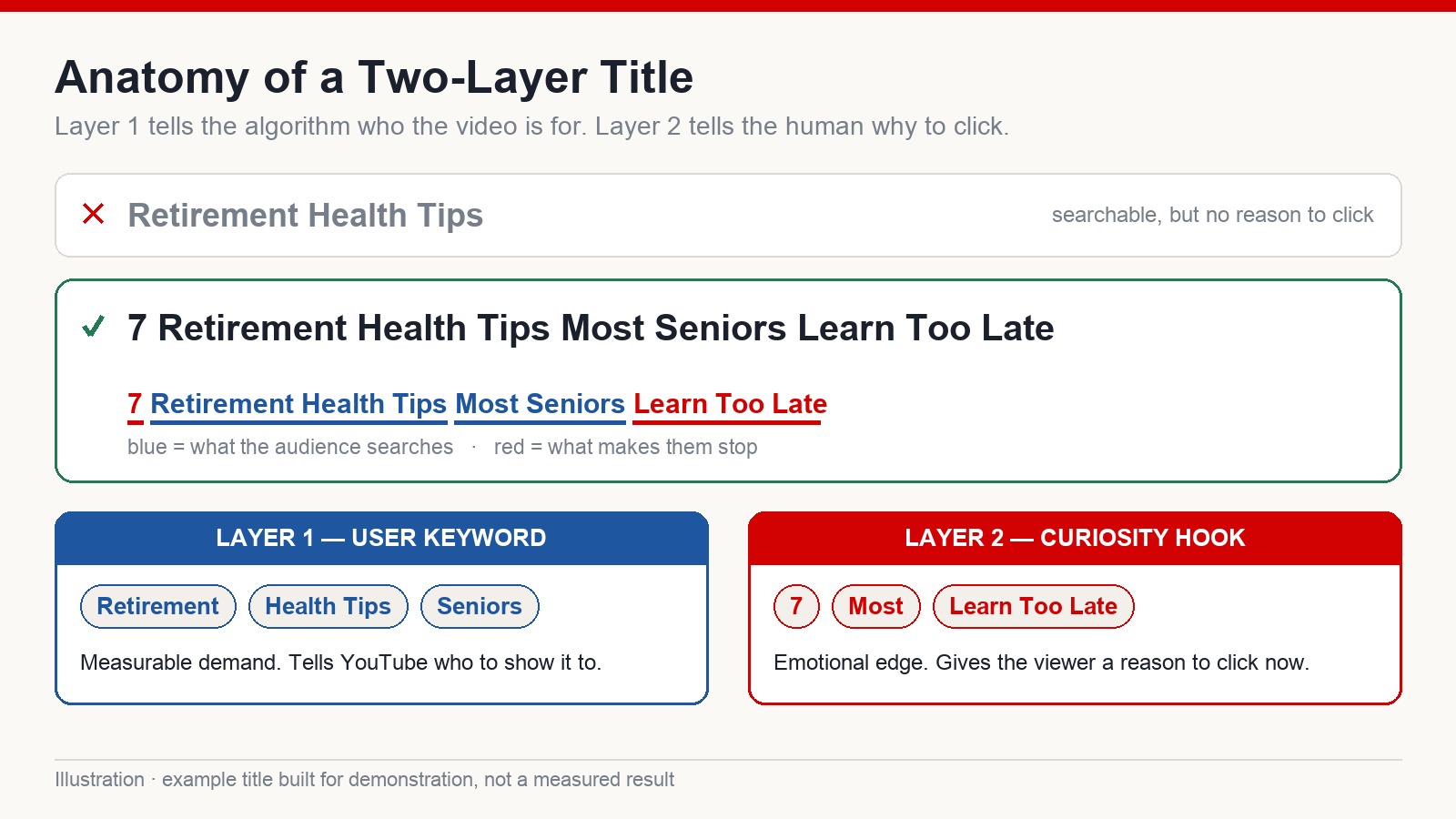
The searchable half is Retirement, Health Tips, Seniors. The curiosity half is the 7 and the phrase Learn Too Late. Neither half is doing the other’s job, and neither is wasted. That is the whole idea: one line, two audiences — the machine and the person.
One thing worth adding for anyone running a channel in a language they did not grow up speaking: after you have stacked the two layers, read the title out loud, or have a native speaker read it. Grammatically correct and natively phrased are different standards. A title that reads slightly translated will underperform one that sounds like it was written by someone from that market, even when both contain the same keyword.
Ratios Across the Whole Channel
You do not have to make every video the same shape. Most creators I work with run a ratio and let the data settle the argument.
1:1
- One search-led video
- One curiosity-led video
2:1
- Two search-led videos
- One curiosity-led video
3:1
- Three search-led videos
- One curiosity-led video
The search-led videos hold the floor. The curiosity-led ones buy lottery tickets. After thirty or forty uploads your own analytics will tell you which mix suits your niche, and that answer will not necessarily match anyone else’s. Copying another channel’s ratio because it worked for them is how people end up optimising for someone else’s audience. Results vary by niche, by market and by season.
The Reverse Funnel Nobody Designs For
Here is the thinking mistake underneath most bad titles: creators write them in the order they made the video. Viewers do not receive them that way. They walk a reverse funnel.
- Step 1: They see the thumbnail.
- Step 2: They read the title.
- Step 3: They decide.
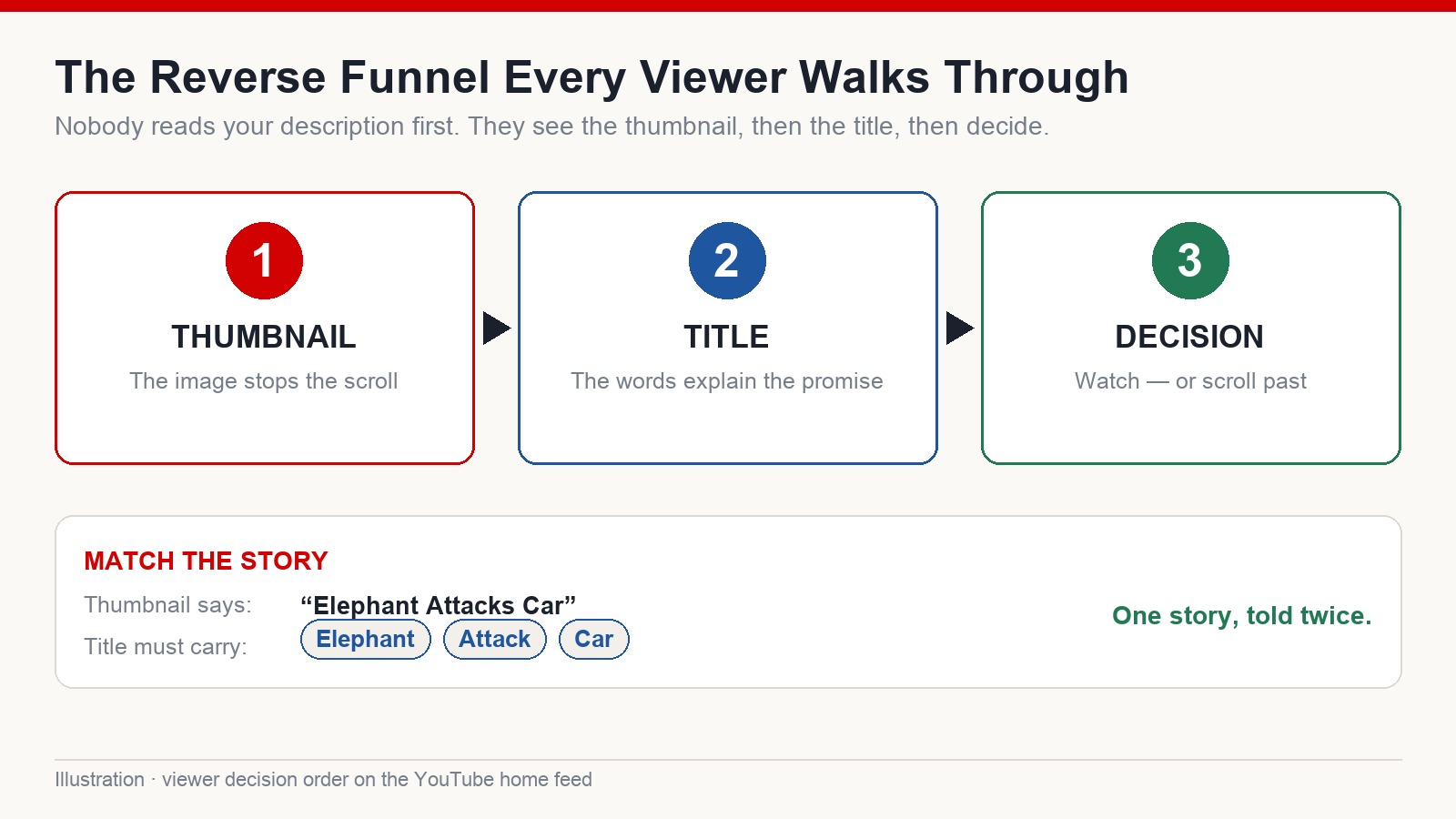
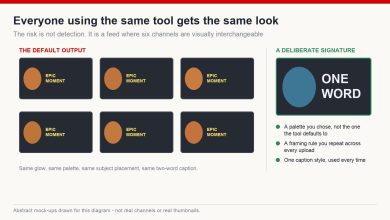
Which means the title and the thumbnail have to tell the same story. If the thumbnail shows an elephant charging a car, the title needs to carry elephant, attack and car. Not a clever unrelated line you are proud of. This is the cheapest fix in packaging and the one most often skipped: two assets, one message. When I audit a channel with a decent watch time and a poor click-through rate, mismatched packaging is the first thing I look for, and it is right about half the time.
Numbers as Stop Points
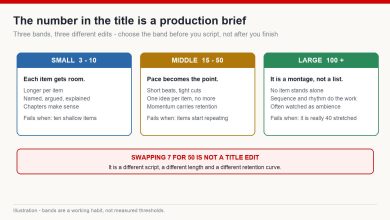
Inside the curiosity layer, digits do the heaviest lifting. The ones that show up again and again in English-language titles are 3, 5, 7, 10, 15, 30, 50 and 100.
- Top 5 Wildlife Encounters Caught On Camera
- 7 Retirement Secrets Nobody Mentions
- 10 Rescue Stories That Ended Better Than Anyone Expected
A digit interrupts a wall of letters. It also tells the viewer how big the commitment is before they click, which lowers the friction of the decision. That is all a number does — but on a crowded home feed, it is enough to buy you the half-second in which the rest of the title gets read.
Slicing Competitor Titles for Keywords
This is the most practical routine I teach for finding phrases that actually have demand behind them, and it takes about ten minutes.
Step 1: Take a competitor’s title that is performing
Pick a video in your niche that is clearly outperforming the channel’s own average, not just a big video on a big channel.
Step 2: Break it into fragments
From 10 Retirement Mistakes Seniors Regret you can pull:
- Retirement Mistakes
- Seniors Regret
- Retirement Advice
- Senior Life Tips
Step 3: Run each fragment through a keyword tool
Any of the standard tools will do. Where a fragment shows real volume, you either use it directly or fold it into a new title as your keyword layer.
The interesting part is what you learn along the way. Sometimes a channel is nominally about animals, but the fragments that win are about calm, healing and quiet. That tells you something no keyword volume column can: what the audience is actually coming for. Once you know that, choosing your next twenty topics gets much easier.
Does the Channel Name Help?
It helps a little. Some creators put the target topic straight into the channel name:
- Nature Stories
- Senior Health Guide
- Wildlife Rescue TV
Or with a descriptor attached:
- Nature Stories | Wildlife
- Senior Wisdom – Retirement Tips
It makes the channel’s subject legible to both viewers and the recommendation system at a glance. But treat it as a supporting detail. Content and watch behaviour decide what happens to a channel; the name just removes a moment of confusion.
Conclusion
The curiosity title earns the click. The search title earns the reach. Stack them and you get a channel with both a ceiling and a floor. Split them and you get either spikes with no base, or a base with no spikes.
So next time you sit down to write a title, stop asking “what keyword has volume?” and stop asking “how do I make this sound dramatic?” Ask the harder question instead: how do I put the audience’s real need and the reason to click now in the same sentence? That is the version that keeps working three months after you publish.
If you want to see how this fits into a full faceless channel workflow — niche, packaging, production, repurposing — that is what we cover step by step over at mmoyoutube.com. No income promises there or here: YouTube policies change, niches saturate, and results vary.
FAQ
Is a curiosity title just clickbait?
Not automatically. If the video delivers what the title implied, it is packaging. It becomes clickbait when the title promises one thing and the video does another — and the retention curve exposes that within the first minute.
Is a search title always the safer choice?
No. It reaches the right people but often gives them no urgency, so the click-through rate stays low. That is why I keep recommending both layers instead of one.
Should every title contain a number?
No. Numbers suit list and countdown formats. Forced onto a narrative or documentary-style video, they read as generic. Use them where the structure genuinely is a list.
SEO or click-through rate — which comes first?
Neither, because they are not separate tasks. A good title is findable and clickable in the same line. If you have to choose, you have written the title too narrowly.