Audience Quality: The Revenue Lever Most Faceless Creators Never Touch
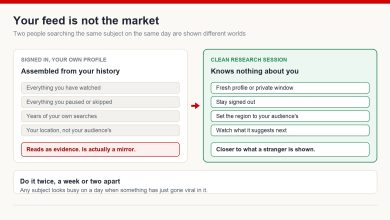
There is a number in your analytics that everybody looks at and almost nobody can act on, and there is a second number underneath it that almost nobody looks at and that quietly decides what the channel is worth.
The first is the view counter. The second is who those views belong to.
I have spent nine years building faceless channels aimed at English-speaking audiences, and the single change that moved my revenue the most was not making better videos in the abstract. It was becoming deliberate about which viewers I was trying to reach in the first place. Two channels can post the same number of videos, gather the same number of views, and end the month in completely different places, because they are serving different audiences to advertisers who value those audiences differently.
This piece is about that second number: what audience quality actually is, which parts of it you control, and the one content strategy I keep coming back to because it builds audience quality on purpose rather than by accident.
What “audience quality” actually means
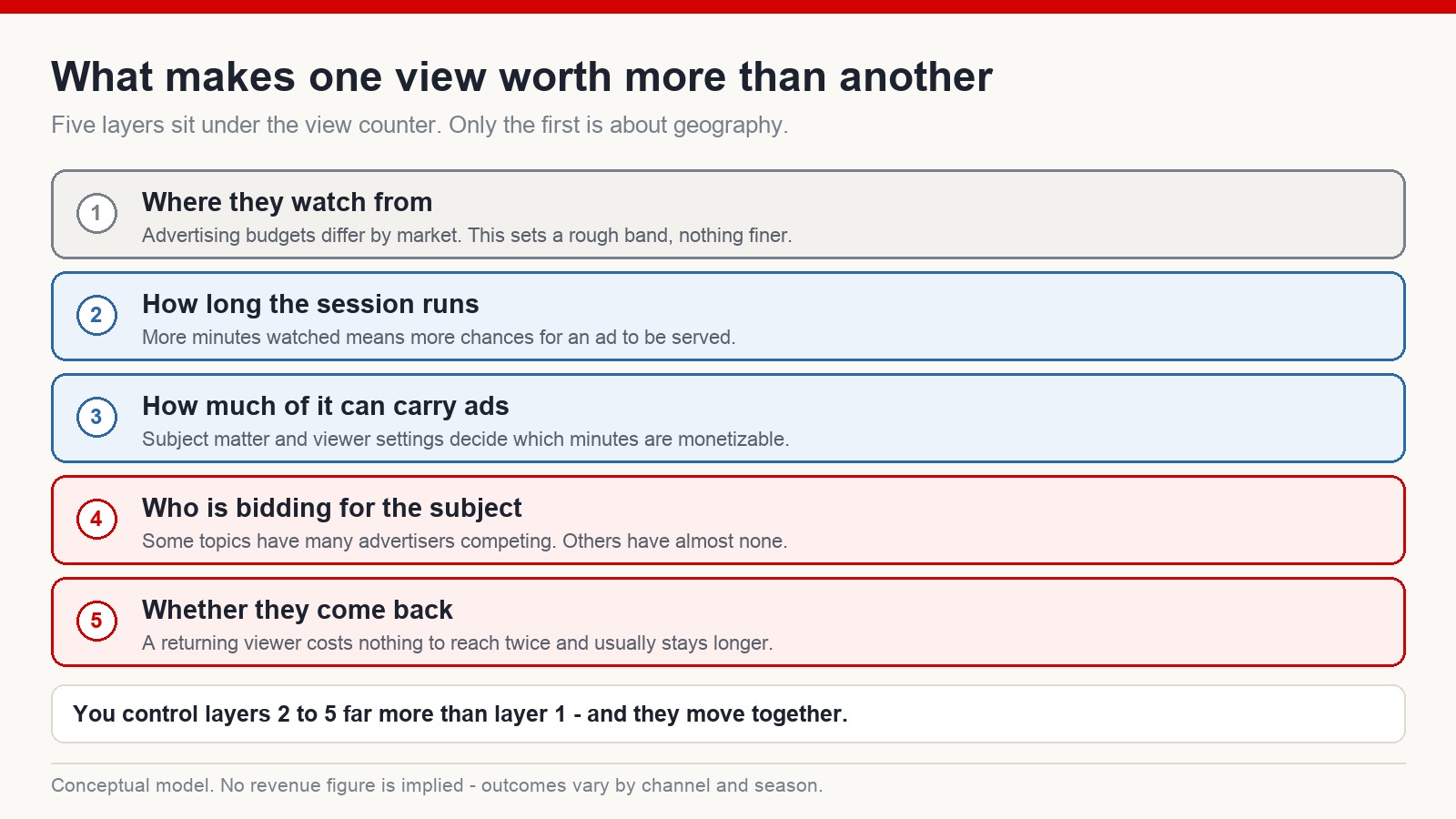
It is a vague phrase, so let me make it concrete. When I say one audience is worth more than another, I mean five specific things are true of it, and each one is measurable inside your own analytics.
- Where they watch from. Advertising budgets are not evenly distributed across the world. Businesses in some countries simply spend more to reach a customer, and that spending flows through to whoever is showing their ads.
- How long a session runs. A viewer who stays for forty minutes gives the platform more chances to serve an ad than a viewer who leaves at ninety seconds. Session length is the most direct lever a creator holds.
- Whether ads can actually serve. Not every minute watched is a monetizable minute. Subject matter, sensitive topics, blocked inventory and viewer settings all cut into it, and none of that shows up in the raw view number.
- Whether advertisers compete for that subject. Some topics have many buyers bidding for the same viewer. Others have almost none. Same viewer, different price.
- Whether they come back. A returning viewer costs you nothing to acquire twice and tends to watch longer on the second visit than a stranger did on the first.
Notice that only the first of those is about geography. Geography is the lever everyone talks about because it is the easiest one to describe, and it is also the crudest. It sets a rough band. The other four decide where inside that band you land, and they are far more responsive to what you choose to make.
The strategy I keep returning to: build for long sessions
If session length is the lever you hold most directly, then the interesting question becomes: what kind of content do people leave running?
There is a whole category of video that exists for exactly that. Ambient and calm content – long scenic walks, rain and nature sound, slow instrumental music, meditation, sleep aids, quiet study backgrounds. English-language search phrases in this space read like a mood board: tranquility, relaxing nature sounds, peaceful ambience, calming music, rain for sleep.
Three things make this category unusually interesting for someone building for an audience that does not share their first language.
Sessions are long by design. Nobody watches ninety seconds of a rain video. They put it on and go about their evening. The format’s whole purpose is duration, which means the thing you would normally have to fight for – retention – is built into the viewer’s intent.
The language barrier mostly disappears. There is often no narration to write, no script to localize, no accent to worry about. What travels is imagery and sound, and neither of those needs translating.
The demand does not expire. People wanting to sleep, concentrate, or calm down is not a trend. A video that serves that need can keep collecting views for years, which is the definition of an asset rather than a post.
I want to be honest about the other side of it, because this category gets sold as easy money and it is not. It is heavily contested, exactly because it looks simple. Music and footage licensing is the fastest way to lose a channel here, and “I found it on a stock site” is not the same as “I have the right to monetize it”. Ad behaviour on long ambient videos differs from ad behaviour on a talking-head video and does not always work in your favour. And a category with low production friction attracts an enormous number of people making the same thing, which means the differentiation has to come from taste, curation and consistency rather than from effort.
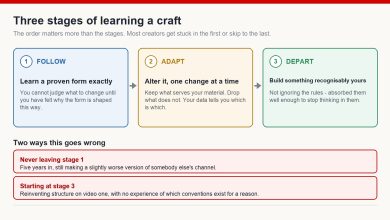
So this is not a shortcut. It is a legitimate example of the underlying principle: choose a format whose natural viewing behaviour matches the thing you are trying to build.
Aim keywords at an audience, not at a topic
Most keyword research asks “what is this video about?” That is the wrong question if audience quality is what you are after. The better question is “who is the person typing this, and how long will they stay once they arrive?”
Those two questions produce different keyword lists from the same subject. A phrase that describes the content attracts anyone curious about the content. A phrase that describes a state of mind – trying to sleep, trying to focus, trying to wind down after a shift – attracts a person with a reason to keep watching.
The practical version is simple. For every keyword you are considering, write one sentence describing the person searching it and what they intend to do in the next ten minutes. If that sentence ends with “and then they leave”, the keyword is bringing you traffic rather than an audience.
Language stopped being the gate. Research did not.
For years the honest objection to building for an audience abroad was that you could not write, speak or edit convincingly in their language. That objection has largely dissolved. Drafting, translation, synthetic voice, subtitles and phrasing checks are all things software now does at a level that is good enough to publish, provided a human reads the output before it ships.
What has not been automated is knowing what an audience in another country actually finds interesting, funny, comforting or trustworthy. A model can produce grammatically perfect English about a subject that nobody in that market cares about. The research – watching what already works there, reading the comments, noticing the references people make – is still yours to do, and it is now the harder half of the job rather than the easier one.
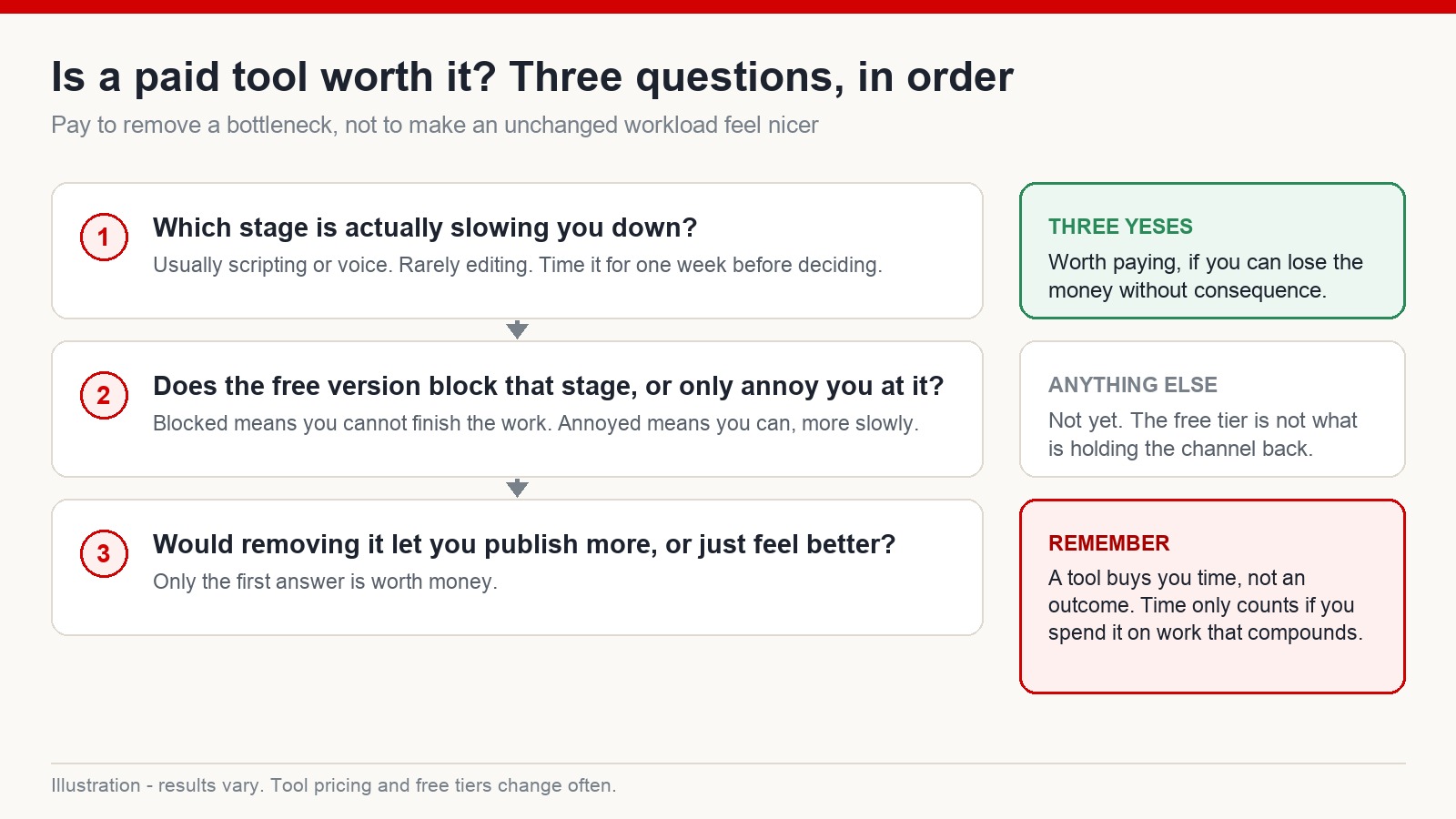
Free tools or paid tools?
This question comes up constantly and I think it is usually framed backwards. The question is not “is the paid version better”. It usually is. The question is whether the specific bottleneck in your workflow is one that paying would remove.
Run the check in this order. First, find the stage that is actually slowing you down – it is often scripting or voice, rarely editing. Second, ask whether the free tier fails at that stage or merely irritates you at it. Third, ask whether removing that bottleneck lets you publish more, or just makes an unchanged workload feel nicer.
Only the first case is worth money. And it should be money you can lose without consequence, because the tool does not come with an outcome attached – it comes with time saved, and time saved is only valuable if you spend it on the part of the work that compounds.
What audience quality cannot fix
I have to close the loop honestly, because this whole subject attracts people who want it to be a switch.
Reaching a higher-value audience raises your ceiling. It does not raise your floor. A channel with weak retention, a subject nobody is looking for, or packaging that gives people no reason to click will not be rescued by aiming at a different country. The revenue you eventually see still depends on content quality, on how much competition sits in your niche, on how advertisers behave in a given season, and on platform policies that change without asking you.
There is no fixed figure that any of this produces. Anyone quoting you one is describing their own channel at one moment in time, which tells you nothing useful about yours.
What I can say with confidence, from watching my own channels and those of the creators I work with, is the direction of the effect. Deciding who you are making videos for, before you decide what the video is, changes more than any optimization you apply afterwards.
Where to start this week
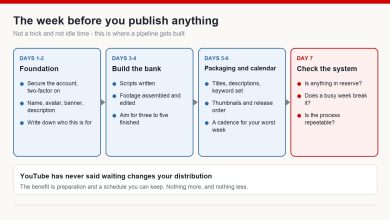
Open your own analytics and answer three questions about your last ten videos. Which countries do most of your watch minutes come from? What is your median session length compared with six months ago? And which of your videos brought back viewers who had already watched something else of yours?
Those three answers describe your current audience quality better than any external benchmark could, because they are measured on your channel rather than someone else’s. Then make your next video for the audience you want more of, not for the audience you happen to have.
Frequently asked questions
Does targeting a wealthier country automatically increase revenue?
No. It changes the pool of advertisers bidding on your audience, which sets a different range. Where you land inside that range still depends on the subject, retention and how much of your watch time can carry ads.
Do I need to speak the language of my audience?
Not necessarily, and in wordless formats not at all. What you do need is enough understanding of that audience to know what they want, which is research rather than fluency.
Is calm and ambient content a reliable niche for beginners?
It has a genuine structural advantage in session length, and a genuine disadvantage in competition and licensing risk. Treat it as a serious category with its own difficulties, not as an easy one.
How long before audience changes show up in analytics?
Longer than most people expect. Audience composition shifts across a body of videos, not a single upload, so judge it over months rather than uploads.
What is the single most useful thing to track?
Median watch time per session compared with your own past, rather than any figure published by someone else.
If you want to go further with building a faceless channel for an English-speaking audience, that is what we work on at mmoyoutube.com. Results vary from channel to channel, and platform policies change – treat everything above as a way of thinking rather than a promise.